History of Present Illness
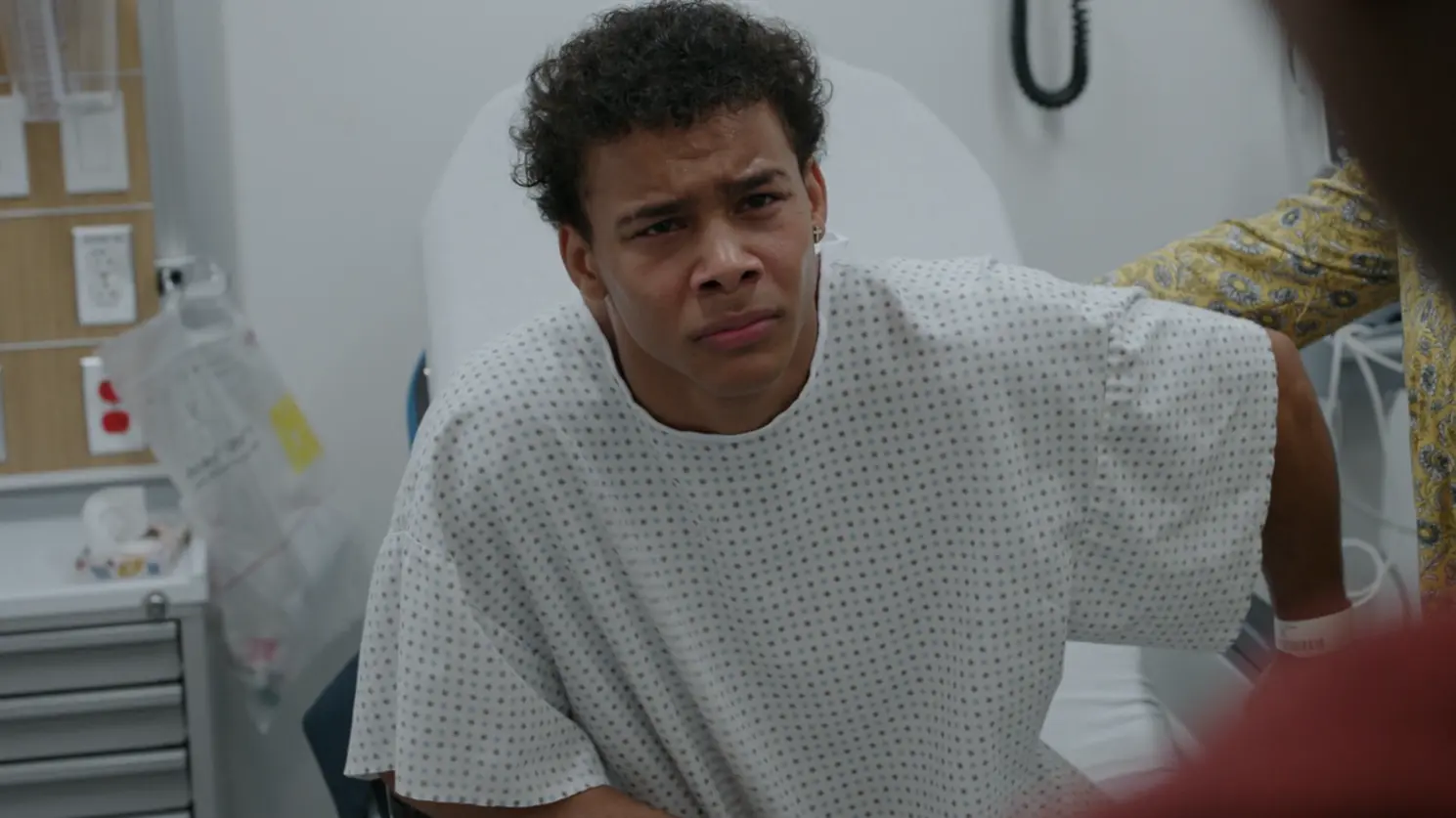
Young male patient presenting to the ED with acute appendicitis described as 'hot appendicitis'. Case utilized for bedside teaching of medical students regarding physical exam signs and evidence-based non-operative management.
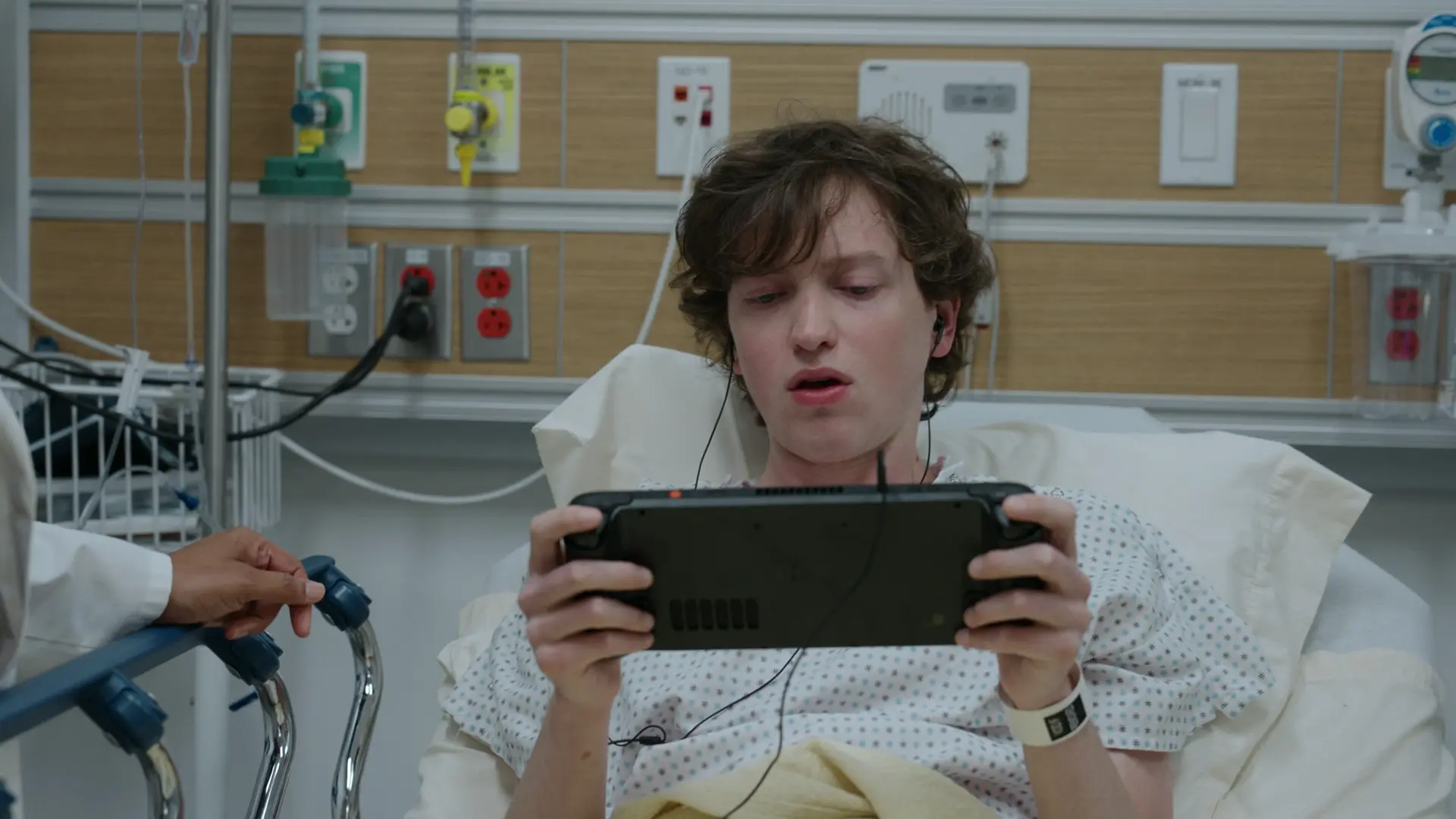
Emergency Department Course
Physical Exam
Surgical consultation and teaching opportunity for medical students.
+1
Physical Exam
Surgical consultation and teaching opportunity for medical students.
Medical Decision Making
Demonstrate localized peritoneal irritation using classic eponymous signs (McBurney's, Psoas sign). Evaluate patient for potential non-operative management based on recent literature (CODA trial).
Diagnostics & Findings
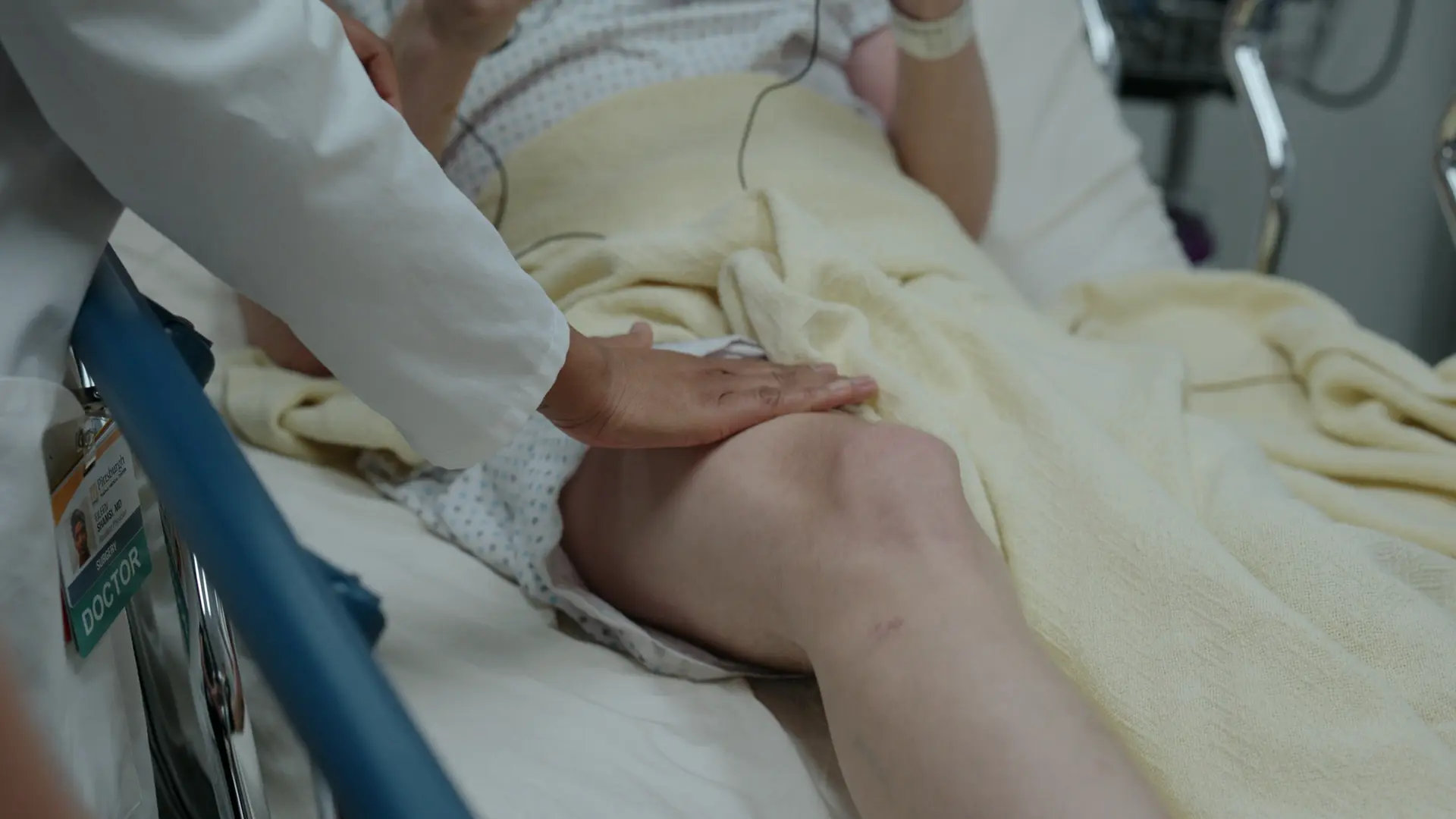
- Psoas Sign Evaluation (Right leg lift)
Findings:
- Positive Psoas sign (friction of inflamed appendix against psoas muscle)
Interventions
- Discussion of antibiotic therapy vs. surgical appendectomy per the CODA trial
⮑ Outcome & Reassessment
Patient presented a positive psoas sign. Disposition decision pending between IV antibiotics or surgery.
Clinical Media
Diagnoses & Disposition
Evolving Diagnoses
- [S01E06]Acute Appendicitis
Current Disposition
Admitted for Management (Antibiotics vs. Surgery)
Casebook Analysis
Episode Context
The case is primarily a narrative vehicle to establish the character dynamic between Victoria Javadi and Dr. Shamsi, who is surprisingly revealed to be her child. The bedside teaching highlights family dynamics within the clinical setting.
Attending's Review
Medical Accuracy
Highly accurate clinical teaching. The Psoas sign (pain on passive extension or active flexion of the right thigh) is a classic physical exam finding for a retrocecal appendix. The discussion of the 2020 CODA (Comparison of Outcomes of antibiotic Drugs and Appendectomy) trial from the New England Journal of Medicine is modern and accurate, noting that approximately 70-75% of select patients with uncomplicated appendicitis can be successfully treated with antibiotics alone.
Clinical Pearls
McBurney's point tenderness is a well known indicator of localized peritonitis in acute appendicitis. It is anatomically located one-third of the distance from the right anterior superior iliac spine (ASIS) to the umbilicus, generally corresponding to the base of the appendix.
The Psoas sign is elicited by having the patient actively flex their right thigh against resistance (or via passive extension), which causes friction against an inflamed retrocecal appendix.
The 2020 CODA trial provides strong evidence that antibiotic therapy is a safe and effective non-inferior alternative to appendectomy for select patients presenting with uncomplicated acute appendicitis.
While the 2020 CODA trial supports antibiotics for uncomplicated appendicitis, shared decision-making is important. Nearly 30% of the antibiotic group eventually required an appendectomy within 90 days. Furthermore, patients presenting with an appendicolith face a significantly higher risk of complications and are more likely to fail non-operative management.
Similar Cases from The Show
Unknown
Dustpan SBO Patient
Chanel Sutton
Chanel
Dillon Chambers
Teenage Scrotal Pain Patient