History of Present Illness
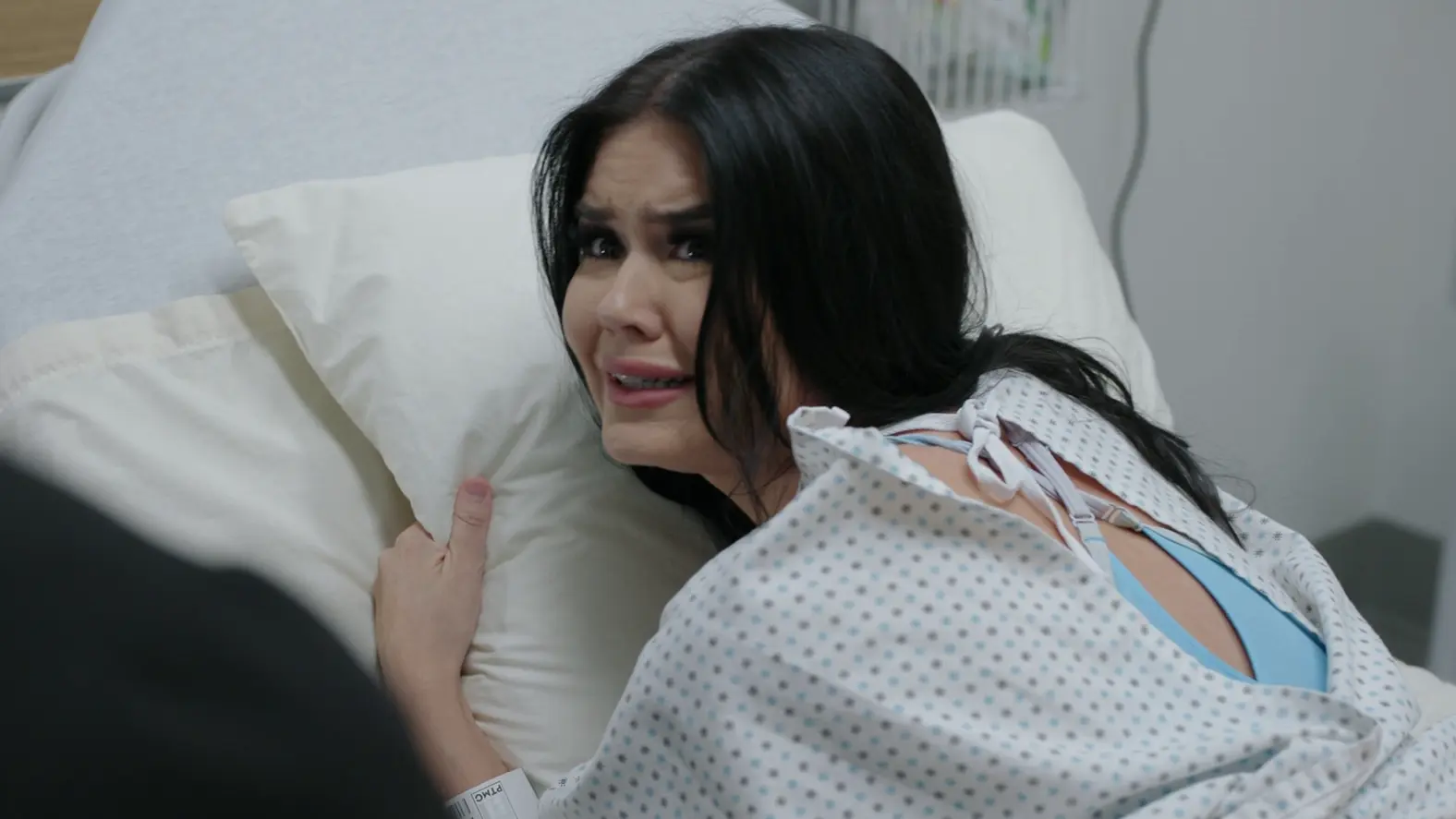
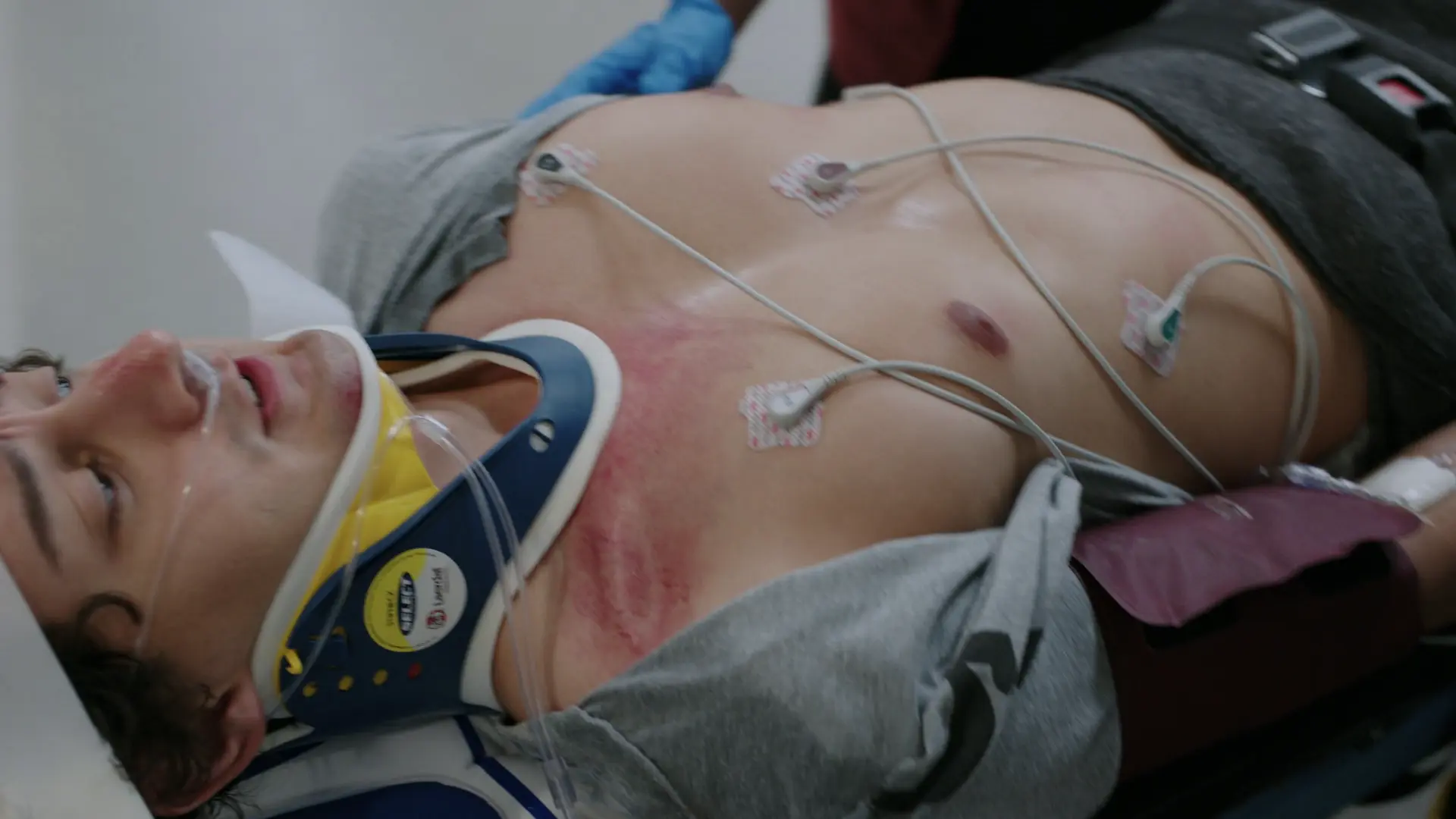
Dillon is a teenage male who presents to the emergency department complaining of sudden, severe scrotal pain that began approximately one hour prior to arrival. He explicitly denies any trauma, such as being kicked or hit by a ball.
Emergency Department Course
Pain Management
Patient arrived in severe agony; immediate need to rule out testicular torsion.
+1
Pain Management
Patient arrived in severe agony; immediate need to rule out testicular torsion.
Medical Decision Making
Sudden onset atraumatic scrotal pain in an adolescent is testicular torsion until proven otherwise. The pain is severe, causing patient distress and making physical examination difficult, so anxiolysis/analgesia with intranasal midazolam (Versed) is indicated. Prompt Doppler ultrasound is necessary to evaluate testicular blood flow.
Diagnostics & Findings
- Physical Examination
- History taking to rule out trauma
Findings:
- Severe pain, atraumatic mechanism.
Interventions
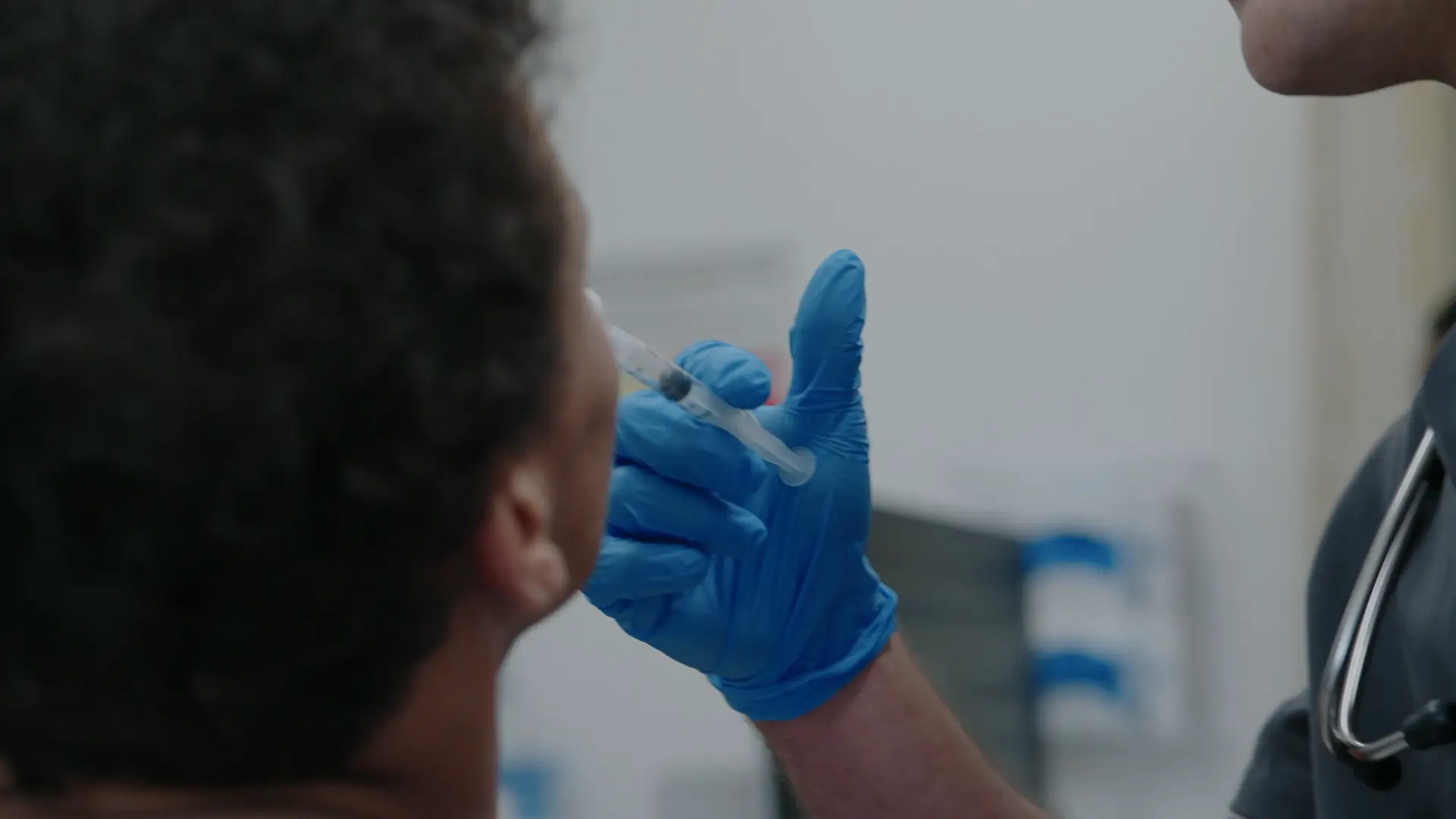
- 4 mg Intranasal Versed (Midazolam) for pain/anxiolysis
⮑ Outcome & Reassessment
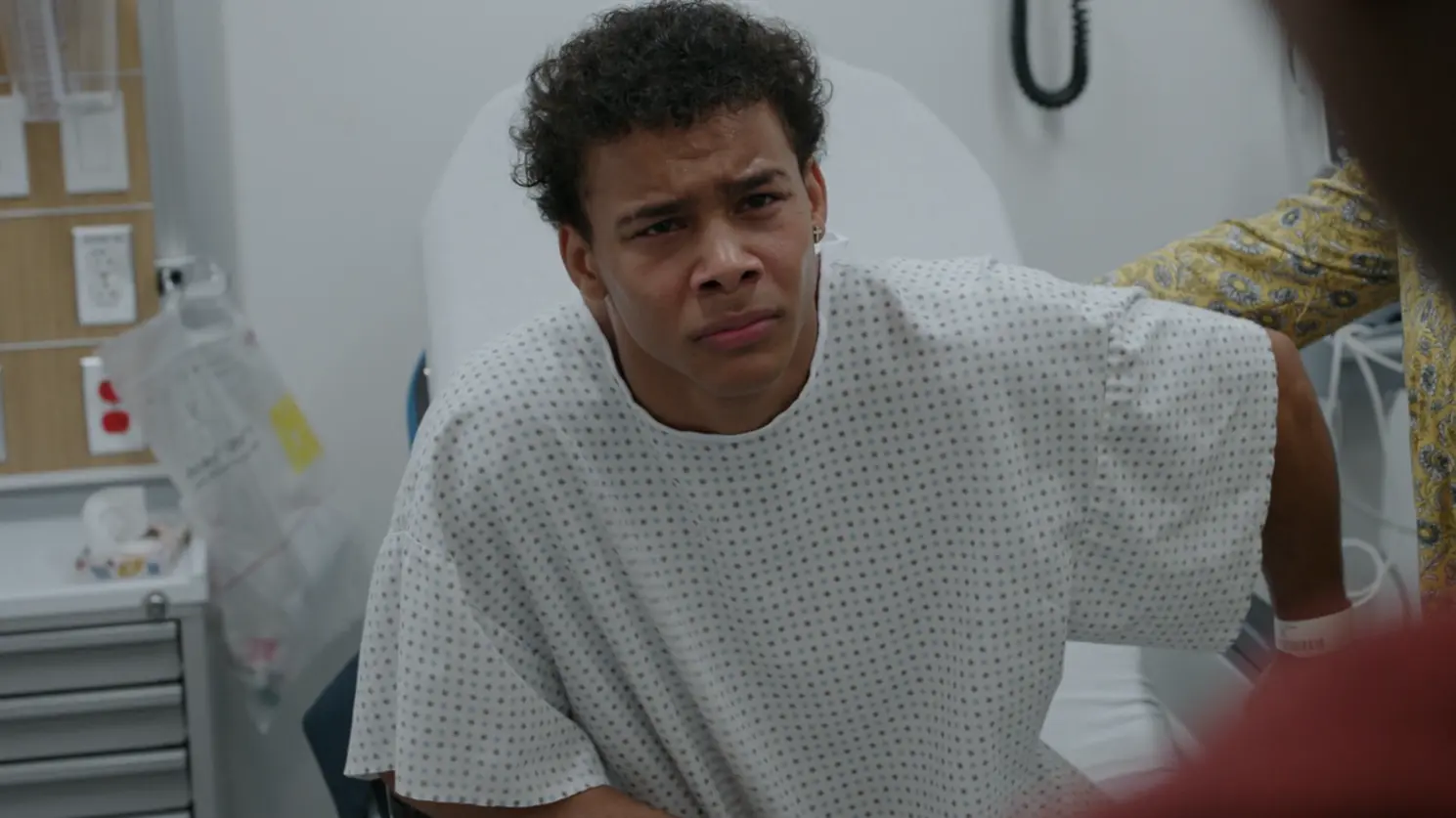
Patient experiences slight relaxation from the medication, allowing the physician to proceed with the ultrasound despite his initial embarrassment about having a female doctor.
Clinical Media
Doppler US
Need to definitively differentiate testicular torsion from other causes of acute scrotal pain to determine if immediate intervention is required.
+2
Doppler US
Need to definitively differentiate testicular torsion from other causes of acute scrotal pain to determine if immediate intervention is required.
Medical Decision Making
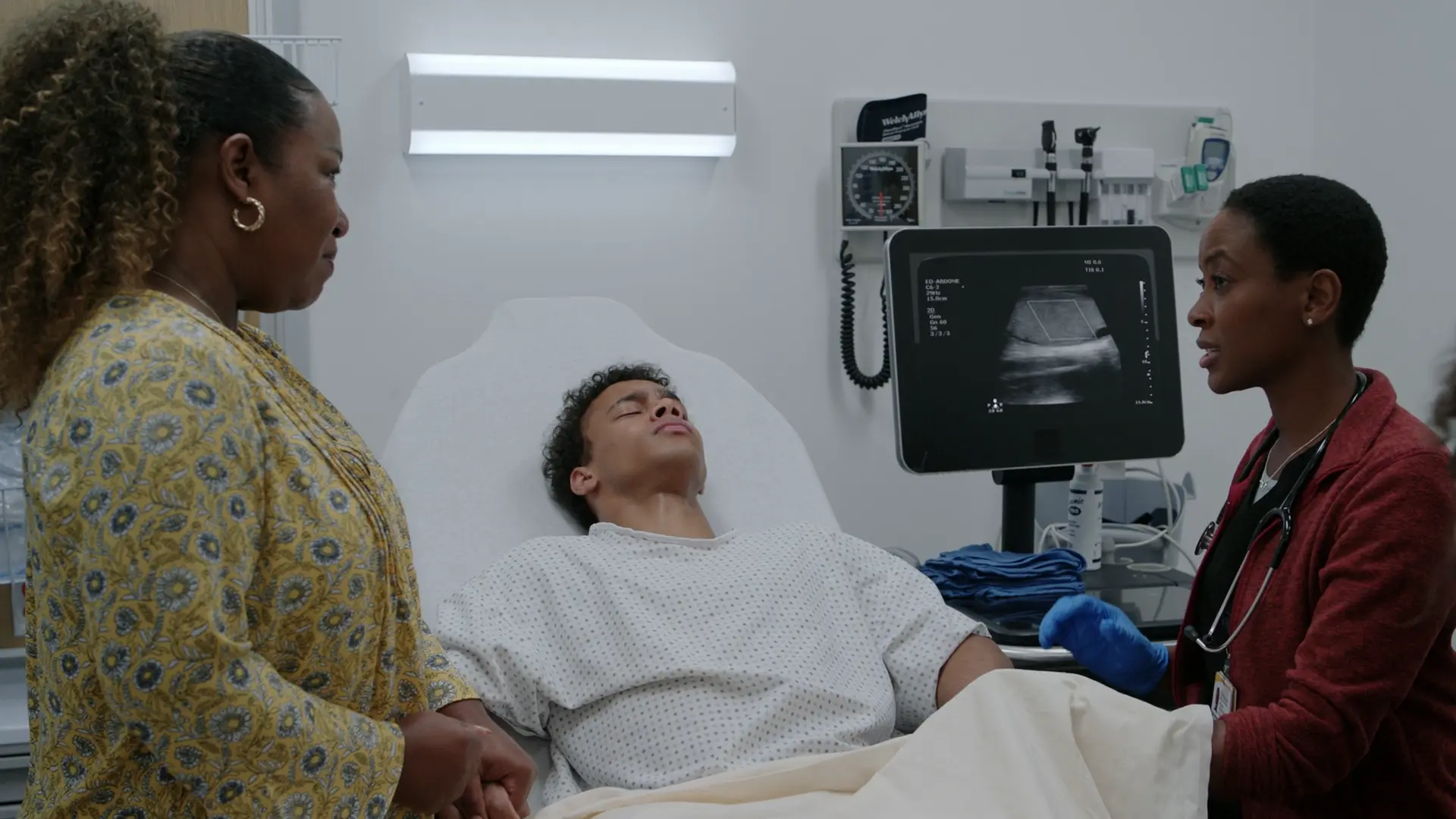
Point-of-care Doppler ultrasound is the gold standard imaging modality for acute scrotal pain. An absence of color Doppler flow indicates arterial compromise, confirming testicular torsion and mandating immediate intervention.
Diagnostics & Findings
- Point-of-Care Doppler Scrotal Ultrasound
Findings:
- No blood flow to the affected testicle.
Interventions
⮑ Outcome & Reassessment
Ultrasound confirms an ischemic testicle, necessitating immediate therapeutic intervention.
Clinical Media
Testicular Detortion
Confirmation of testicular torsion with absent blood flow, requiring emergent reperfusion within the 6-hour salvage window.
+1
Testicular Detortion
Confirmation of testicular torsion with absent blood flow, requiring emergent reperfusion within the 6-hour salvage window.
Medical Decision Making
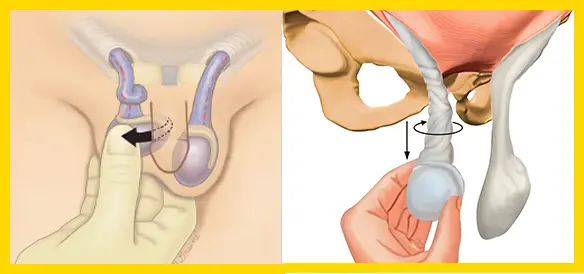
Recognizing the 6-hour window for testicular viability, immediate manual detorsion is indicated in the ED before heading to the OR. The standard empirical technique is the 'open book' method (rotating medial to lateral). When this fails to provide relief or potentially increases twisting (as roughly 1/3 of testicles twist laterally instead of medially), the physician must reverse the rotation inward (180 degrees laterally to medially).
Diagnostics & Findings
Findings:
- Resistance met or lack of improvement with lateral rotation, success with medial rotation.
Interventions
- Manual Detorsion ('Open Book' maneuver, initially medial to lateral)
- Reversed Manual Detorsion (Lateral to medial rotation 180 degrees) after initial failure
⮑ Outcome & Reassessment
After reversing the direction of the rotation, the patient states 'It feels better' indicating successful detorsion and reperfusion.
Clinical Media
Disposition and Urologic Referral
Successful manual detorsion requires definitive surgical management to prevent recurrence.
Disposition and Urologic Referral
Successful manual detorsion requires definitive surgical management to prevent recurrence.
Medical Decision Making
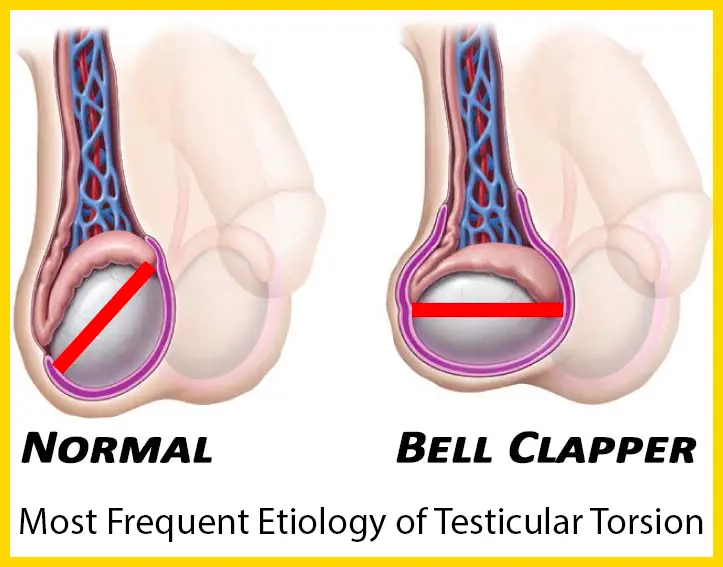
Even with successful manual detorsion and pain resolution in the ED, the testicle is at high risk of re-torsing because the underlying anatomic defect ('bell clapper deformity') is still present. A prompt urology consult is required for bilateral orchiopexy.
Diagnostics & Findings
Findings:
- Pain resolved, testicle salvaged in the acute setting.
Interventions
- Urology consultation for definitive surgical fixation
⮑ Outcome & Reassessment
Patient and mother are relieved and agreeable to the surgical plan.
Diagnoses & Disposition
Evolving Diagnoses
- [S01E06]Acute Testicular Torsion
Current Disposition
Pain resolved following successful manual detorsion; urology consulted for admission and definitive bilateral orchiopexy.
Casebook Analysis
Episode Context
Dillon is an adolescent who felt embarrassed having a female doctor evaluate his genital pain, adding a layer of interpersonal friction. Dr. Collins expertly de-escalated his anxiety, diagnosed a time-critical surgical emergency, and performed a manual intervention that saves his testicle, earning profound respect from the patient and his mother.
Attending's Review
Medical Accuracy
The medical depiction here is highly accurate. The use of intranasal midazolam (Versed) is a great tool for anxiolysis in pediatric/adolescent patients undergoing a painful genital exam. Acknowledging the '6-hour window' for testicular salvage is factually correct. Furthermore, the script accurately depicts the reality of manual detorsion: while the 'open book' (medial to lateral) maneuver is the classic teaching, about 1/3 of torsions actually twist outward (laterally). Dr. Collins accurately recognizes the initial maneuver isn't working and reverses the direction 180 degrees to achieve successful detorsion.
Complications & Errors
- Initial Detorsion Failure: Dr. Collins initially rotated the testicle the wrong way (likely assuming a medial twist). While not a medical error as 'open book' is the standard empirical first try, it is a common procedural complication that requires immediate recognition and reversal, which she performed flawlessly.
Clinical Pearls
Time is Testicle: The golden window for testicular salvage in torsion is 6 hours from the onset of pain. Beyond this, the salvage rate drops precipitously.
Prehn's Sign: Traditionally, Prehn's sign (relief of pain with elevation of the affected testicle) was taught to differentiate epididymitis (positive sign) from testicular torsion (negative sign). However, this physical exam finding is notoriously unreliable in clinical practice and should never be used to definitively rule out torsion or delay a Doppler ultrasound.
The Detorsion Maneuver: The standard empirical method for manual detorsion is the 'Open Book' technique (rotating the testicle outward, from medial to lateral). However, if resistance is met or pain acutely worsens, rotate in the opposite direction.
Definitive Treatment is Surgical: Even if manual detorsion in the ED is 100% successful and the patient is pain-free, they must still go to the OR. The underlying 'bell-clapper' congenital deformity is bilateral, so bilateral orchiopexy is required to prevent re-torsion.
The Bell-Clapper Deformity and Orchiopexy: Testicular torsion typically occurs due to a congenital anomaly called the 'bell-clapper deformity,' where the tunica vaginalis attaches abnormally high on the spermatic cord. This leaves the testicle unanchored, allowing it to swing freely and twist on its vascular pedicle like a clapper inside a bell. Orchiopexy is the definitive surgical procedure used to correct this by permanently suturing the testicle to the scrotal wall.
The Bilateral Mandate of Orchiopexy: When performing surgical exploration and orchiopexy for testicular torsion, surgeons generally utilize three-point non-absorbable suture fixation. Crucially, they must perform a prophylactic orchiopexy on the contralateral asymptomatic testicle as well, because the underlying anatomical predisposition (the 'bell-clapper' deformity) is almost always bilateral.