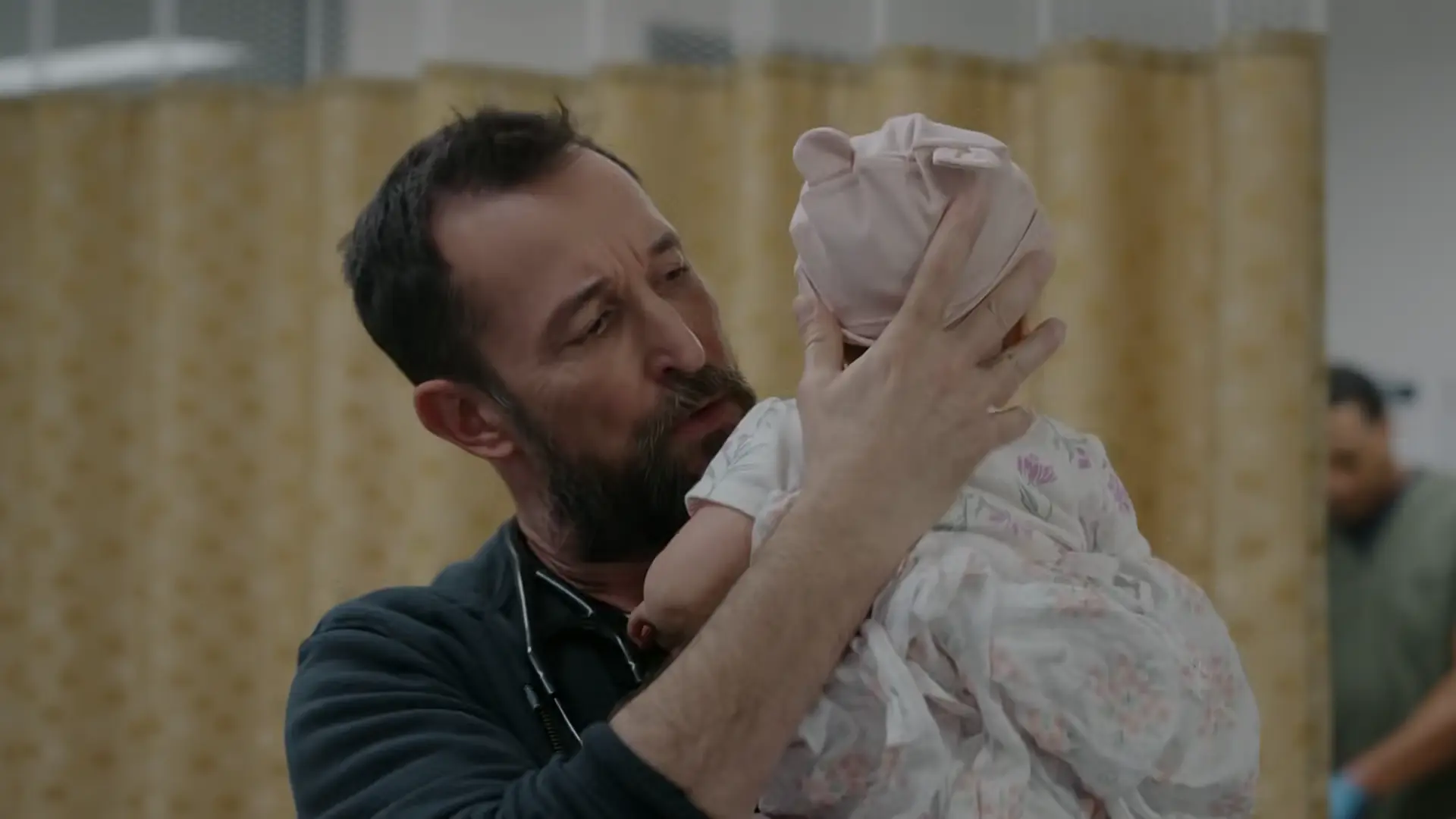
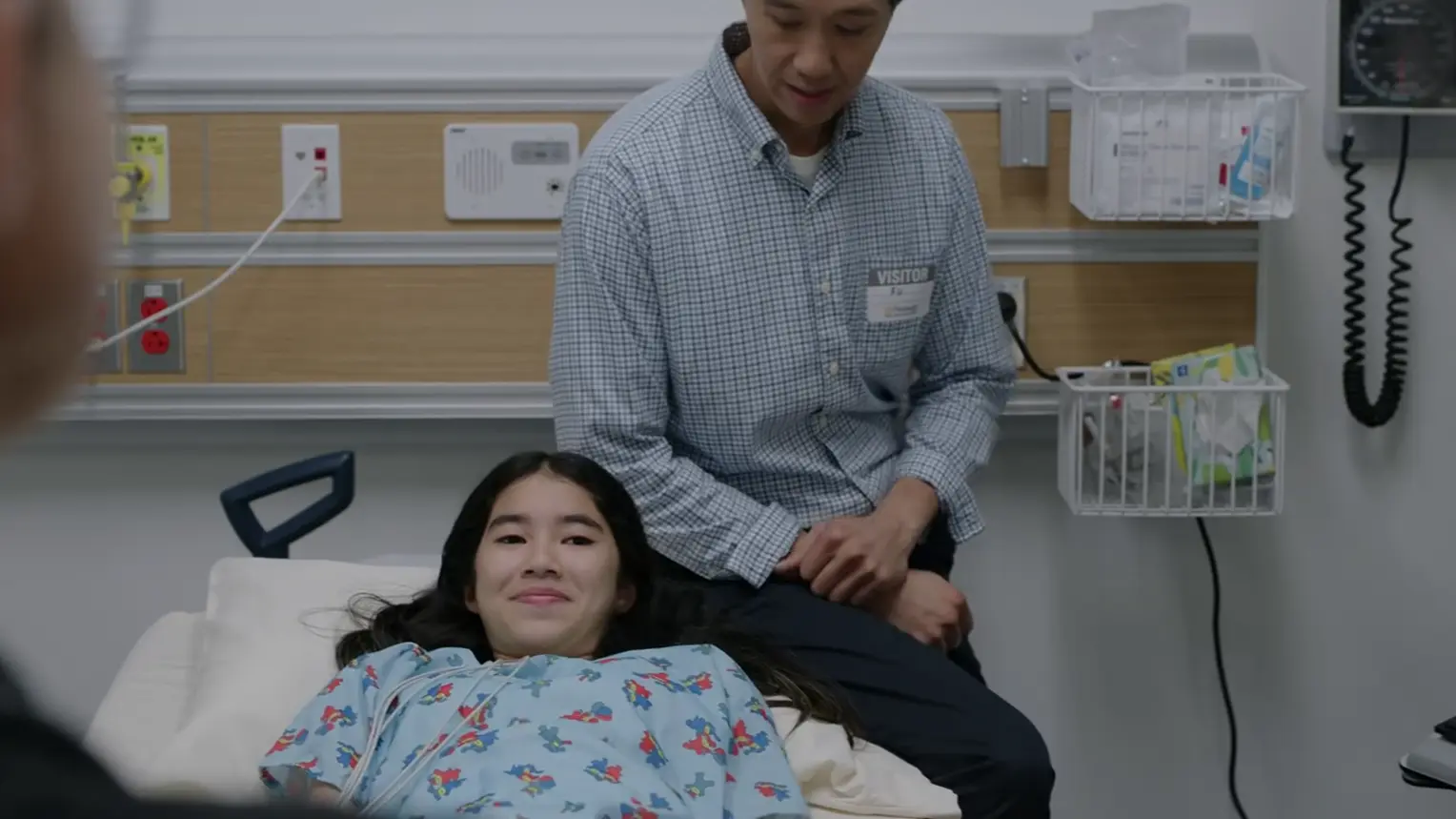
History of Present Illness
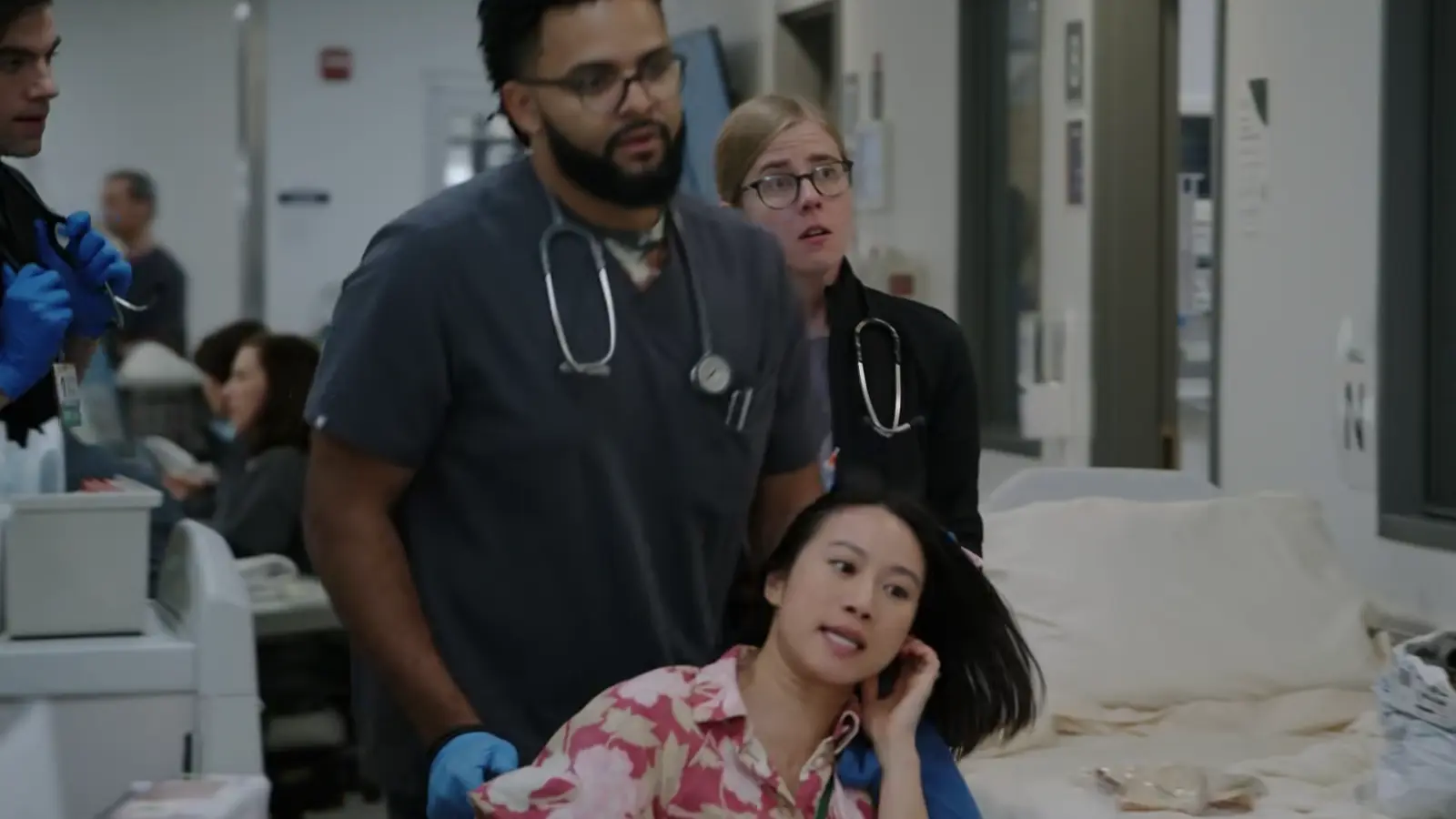
Patient presented to the ED screaming and highly agitated, complaining of something actively moving inside her ear. She was unable to remain still due to the intense discomfort and panic associated with the sensation.
Emergency Department Course
Initial Evaluation
Patient screaming in severe distress with a sensation of active movement in her ear canal.
+2
Initial Evaluation
Patient screaming in severe distress with a sensation of active movement in her ear canal.
Medical Decision Making
The priority is confirming the presence of a foreign body while keeping the patient still enough to avoid iatrogenic trauma to the tympanic membrane (TM). Animate foreign bodies (insects) create a deafening noise and extreme pain for the patient.
Diagnostics & Findings
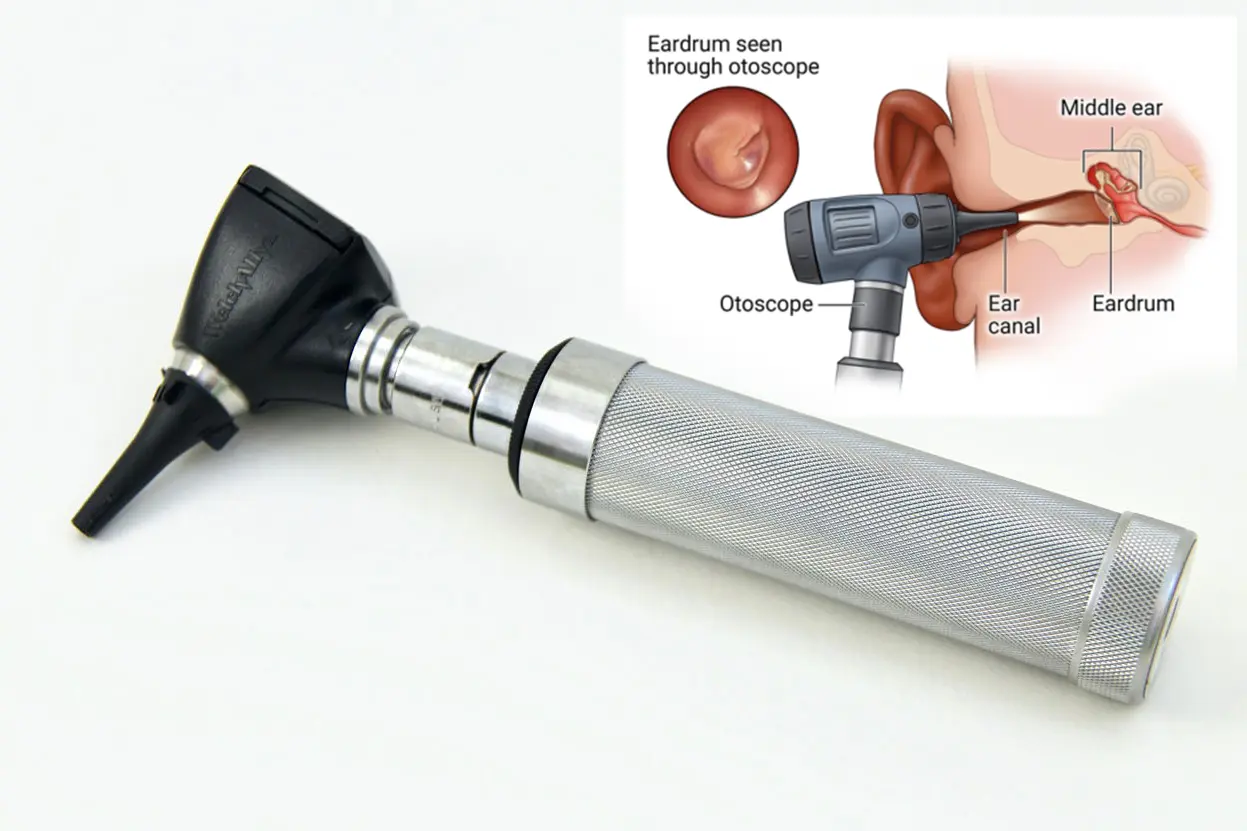
- Otoscopic Examination
Findings:
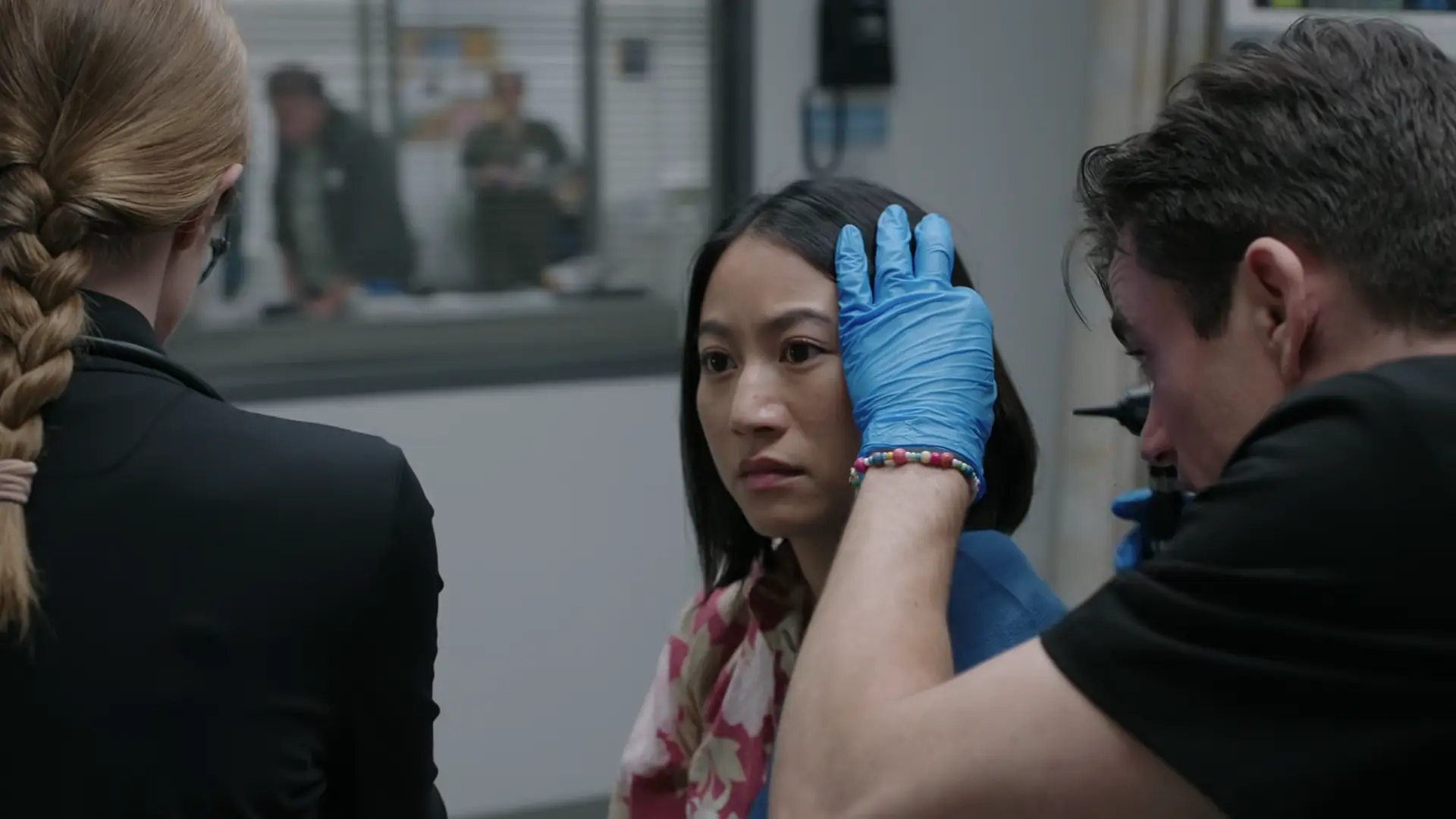
- Live arthropod visualized in the External Auditory Canal (EAC)
Interventions
- Verbal coaching to hold the head still
- Instillation of topical anesthetic into EAC
⮑ Outcome & Reassessment
Patient remained highly agitated, yelling 'Get it fucking out! I can feel it!'
Clinical Media
Therapeutic Intervention
Need to extract the identified dead arthropod from the EAC without causing TM damage.
+1
Therapeutic Intervention
Need to extract the identified dead arthropod from the EAC without causing TM damage.
Medical Decision Making
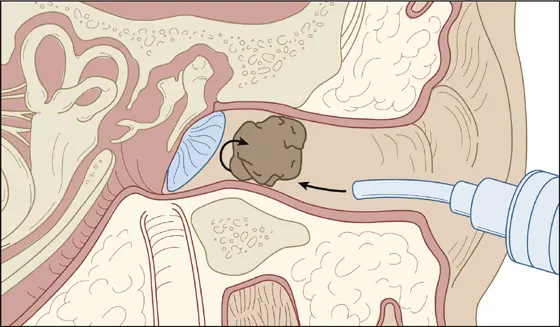
The standard of care is to irrigate the ear canal with saline to flush out the dead insect. This is a safe and effective method for removing a dead insect or loose cerumen, provided the tympanic membrane is known to be intact.
Diagnostics & Findings
Findings:
- Insect successfully flushed out; visually identified as a dead cockroach.
Interventions
- Saline flush / Ear irrigation
⮑ Outcome & Reassessment
Physical symptoms resolved following the flush, patient screamed in profound horror upon learning the object was a cockroach.
Clinical Media
Diagnoses & Disposition
Evolving Diagnoses
- [00:02:10]Arthropod in the External Auditory Canal (EAC)
- [00:09:17]Foreign Body (Cockroach) in the EAC - Removed
Current Disposition
Discharged (Symptom resolved)
Casebook Analysis
Episode Context
Provides brief, visceral comic relief in the chaotic backdrop of the ED. It highlights the bizarre and psychologically horrifying everyday cases emergency providers manage while simultaneously juggling critical life-or-death traumas.
Attending's Review
Medical Accuracy
The medical management depicted is highly accurate. The physician notes the ear canal is numb and the bug is dead before executing a 'simple flush with saline.' This correctly implies they instilled an agent (like viscous lidocaine, mineral oil, or alcohol) to drown/kill the insect and provide local anesthesia before attempting removal. Trying to grab a live insect with alligator forceps is a mistake that Langdon correctly avoided.
Complications & Errors
- No true medical errors were made. However, the bug size was too big to fit in the ear canal, its size was highly exaggerated most likely for dramatic reasons.
Clinical Pearls
Avoid aqueous drops or irrigation if there is any suspicion of a tympanic membrane rupture, or if the foreign body is organic/expansile (like a seed or bean) which can swell and become impacted. For insects, saline flushing is perfectly appropriate once the insect is dead.
When irrigating the ear, use body-temperature fluids. Cold or hot fluids will induce a caloric response, causing severe vertigo, nystagmus, and vomiting in the patient.
Cerumen tip: While normal saline is excellent for flushing out dead insects or loose debris, oxygenated water (hydrogen peroxide solutions) or commercial cerumenolytics are preferred for stubborn cerumen (earwax) impactions. The effervescent action of hydrogen peroxide chemically softens and physically breaks apart the waxy plug, making subsequent irrigation much more effective than using saline alone.