History of Present Illness
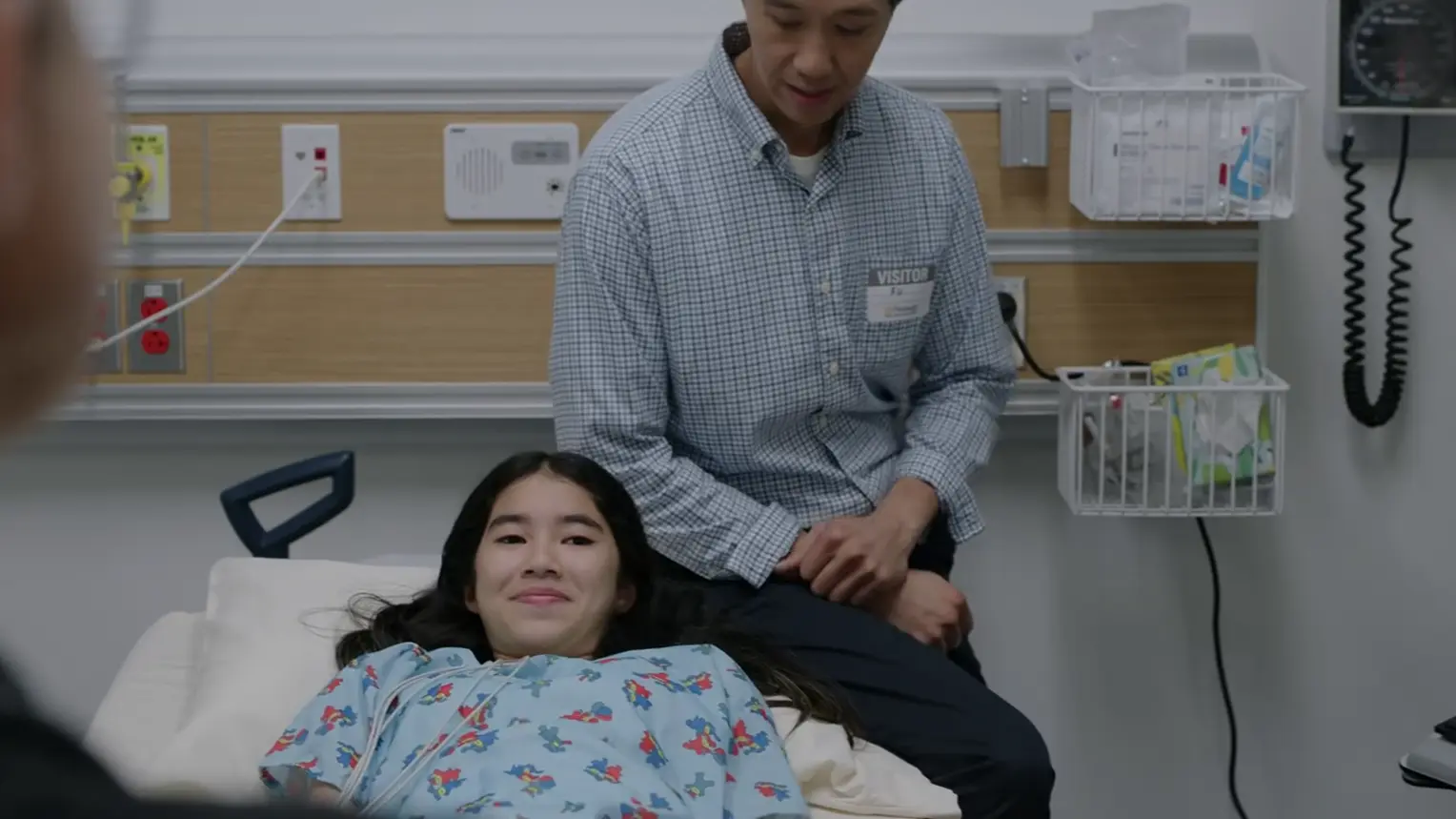
12-year-old female presents to the ED accompanied by her father with a 6-week history of constant suprapubic pain. The pain has progressively worsened from a 2/10 to a 7/10. Patient reports primary amenorrhea, though she has developed secondary sexual characteristics (breast development, widening hips). She denies fever, dysuria, nausea, vomiting, and vaginal discharge. A urine pregnancy test was performed and is negative.
Emergency Department Course
Triage & Medication Administration
Initial presentation and pain management while waiting for a bed.
Triage & Medication Administration
Initial presentation and pain management while waiting for a bed.
Medical Decision Making
Patient is experiencing mild-to-moderate discomfort but is hemodynamically stable. Administering oral analgesia to bridge the wait time until a full evaluation can be performed.
Diagnostics & Findings
Findings:
- Patient is alert and in mild distress.
Interventions
- Administered Tylenol (Acetaminophen) PO.
⮑ Outcome & Reassessment
Patient tolerated PO medication and waited for a bed to open.
History and Initial Evaluation
Patient placed in room and history is taken.
History and Initial Evaluation
Patient placed in room and history is taken.
Medical Decision Making
The presence of worsening cyclical-type lower abdominal pain in an early adolescent with primary amenorrhea and normal secondary sexual characteristics strongly points to an outflow tract obstruction, such as an imperforate hymen or transverse vaginal septum. Endocrine causes (like pituitary dysfunction) are less likely to cause acute, worsening suprapubic pain and should be considered secondary to structural issues.
Diagnostics & Findings
- Urine Pregnancy Test (Negative)
Findings:
- 6 weeks of suprapubic pain escalating to 7/10.
- Primary amenorrhea.
- Normal breast and hip development.
- No infectious or GI/GU symptoms.
Interventions
⮑ Outcome & Reassessment
Patient prepped in a gown open at the back for a pelvic/external genital exam.
Physical Examination
Need to assess external genitalia to rule out structural anomalies causing primary amenorrhea.
Physical Examination
Need to assess external genitalia to rule out structural anomalies causing primary amenorrhea.
Medical Decision Making
A simple external inspection of the vulva and introitus is minimally invasive and can immediately confirm or rule out an imperforate hymen, which would present as a bulging, bluish membrane due to trapped menstrual blood (hematocolpos).
Diagnostics & Findings
- External Genital Examination
Findings:
- Imperforate hymen totally blocking the vagina.
- Bulging, violaceous membrane indicating approximately 3 months of trapped menstrual blood (hematocolpos).
Interventions
⮑ Outcome & Reassessment
Patient tolerated the exam well without acute pain.
Diagnosis and Disposition
Discussing findings and treatment plan with the father.
Diagnosis and Disposition
Discussing findings and treatment plan with the father.
Medical Decision Making
The diagnosis is confirmed via physical exam. The condition is benign and easily curable but requires a minor surgical procedure (hymenotomy) by gynecology under anesthesia. Reassurance is critical, especially for a single father anxious about a reproductive health issue.
Diagnostics & Findings
Findings:
- Confirmed Imperforate Hymen with Hematocolpos.
Interventions
- Gynecology consult for minor surgery (hymenotomy).
⮑ Outcome & Reassessment
Father is highly relieved to hear it is a simple, curable structural issue rather than a life-threatening disease like the cancer that took his wife.
Diagnoses & Disposition
Evolving Diagnoses
- [S01E04]Imperforate Hymen with Hematocolpos
Current Disposition
Consulted Gynecology for minor surgery (hymenotomy) under anesthesia.
Casebook Analysis
Episode Context
The case explores a classic adolescent medicine vignette that often causes severe distress for patients and parents but has a simple, highly satisfying surgical fix. It also highlights the emotional vulnerability of a single father navigating his pre-teen daughter's reproductive health following the loss of his wife.
Attending's Review
Medical Accuracy
The case is exceptionally medically accurate. The presentation of escalating, cyclical-like abdominal/pelvic pain in an early adolescent with developing secondary sex characteristics but primary amenorrhea is a textbook vignette for imperforate hymen. The visual description of the bulging, violaceous hymen is the exact pathognomonic finding of hematocolpos.
Complications & Errors
- Prior to the physical exam, a Melissa posits 'pituitary dysfunction' as a differential. This highlights a common trap of jumping to complex endocrine zebras before performing a thorough basic physical examination to rule out structural issues first.
Clinical Pearls
In any adolescent female presenting with cyclical or worsening lower abdominal pain and primary amenorrhea, imperforate hymen must be ruled out early via a simple external genital exam.
The classic physical exam finding of an imperforate hymen with hematocolpos is a bulging, bluish or violaceous membrane at the vaginal introitus.
A negative pregnancy test must still be obtained in all patients of childbearing age presenting with abdominal pain, even those reporting no sexual activity or primary amenorrhea.
Similar Cases from The Show



Chart Navigation
Jia Yi Chen
C/O6 weeks of constant pain in the suprapubic area, increasing in severity.