History of Present Illness
Jenna is a college-aged female brought to the ED by her friend in a car after being found unresponsive. The friend reports she 'won't wake up'. Jenna later admits she was studying late and couldn't sleep, so she took 'half a Xanax' for the first time. The pill was clearly counterfeit and laced with fentanyl, leading to a life-threatening opioid overdose.

Emergency Department Course
Triage & Initial Resuscitation
Patient arrives via private vehicle, carried/wheeled in by her friend, completely unresponsive. Mateo assists with gurney and equipment.
+3
Triage & Initial Resuscitation
Patient arrives via private vehicle, carried/wheeled in by her friend, completely unresponsive. Mateo assists with gurney and equipment.
Medical Decision Making
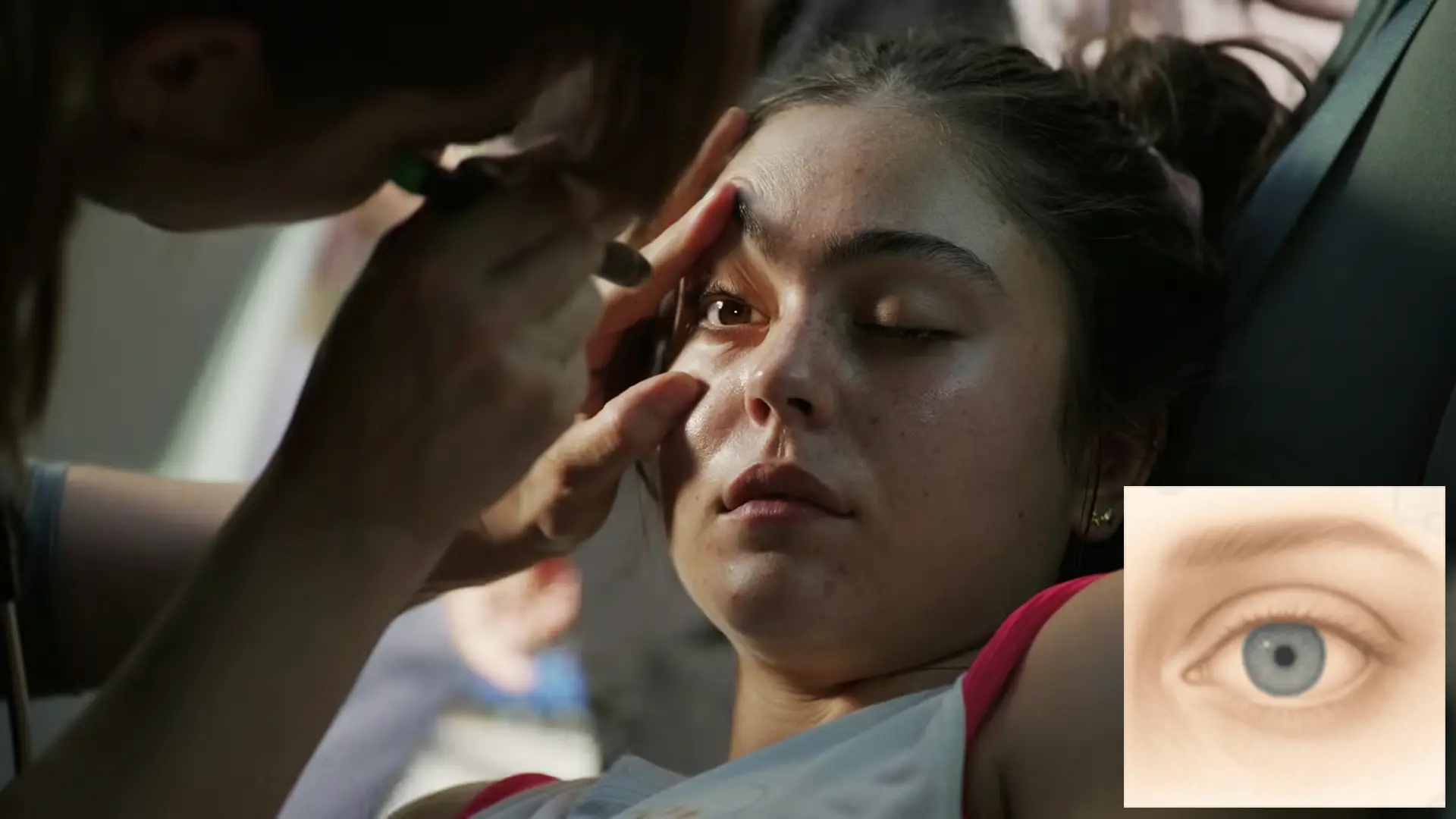
Immediate recognition of the opioid toxidrome based on the physical exam finding of pinpoint pupils and severe respiratory depression/coma. The priority is securing the airway and reversing the opioid toxicity with Naloxone (Narcan) before anoxic brain injury occurs. Prepared for intubation if Naloxone fails.
Diagnostics & Findings
- Pupillary exam (Pinpoint)
- Airway/Breathing assessment
Findings:
- Pinpoint pupils
- Lack of spontaneous respiration
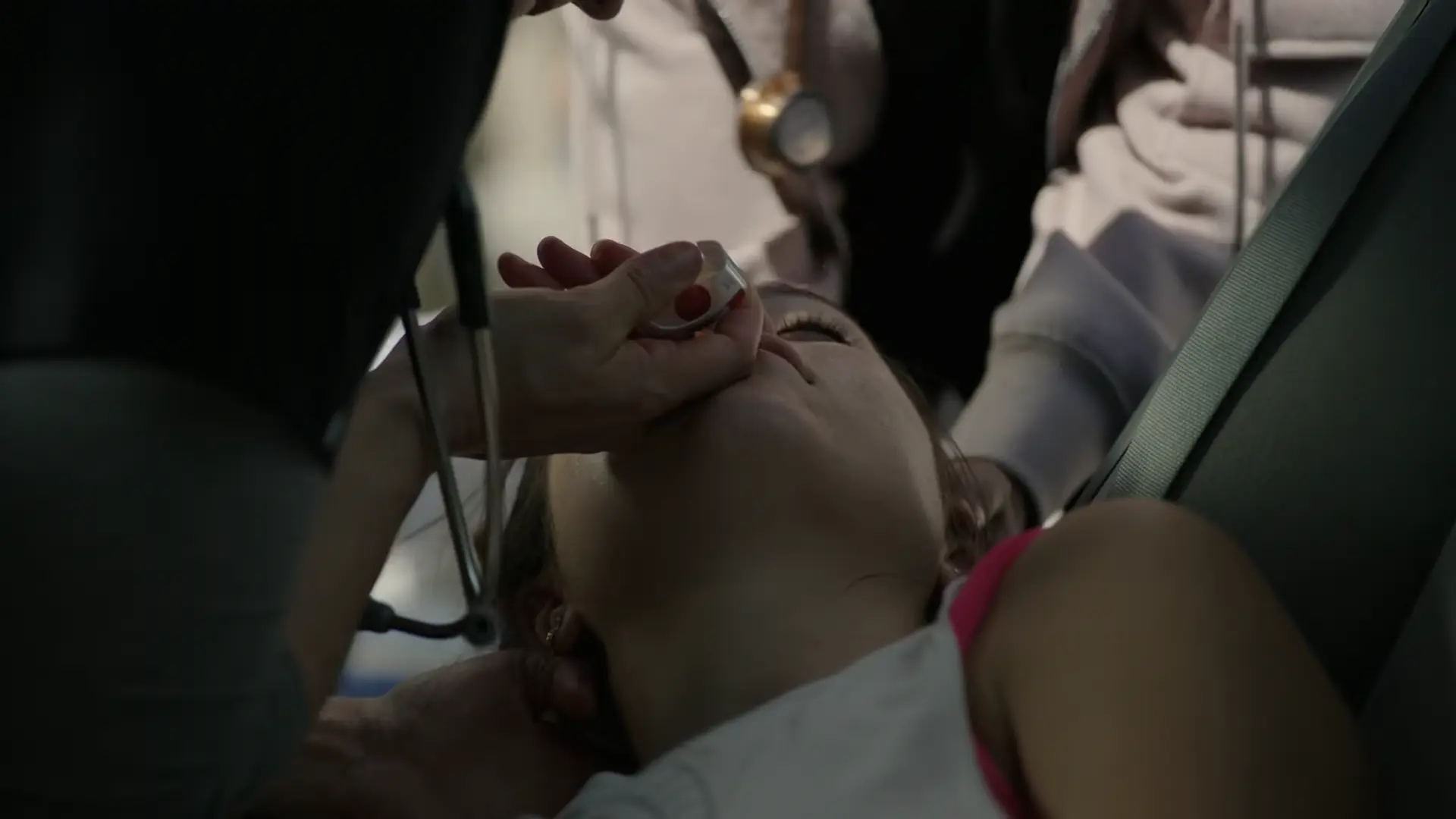
- Initial delayed response to first Narcan spray
Interventions
- Airway positioning (Head tilt/jaw thrust by Javadi)
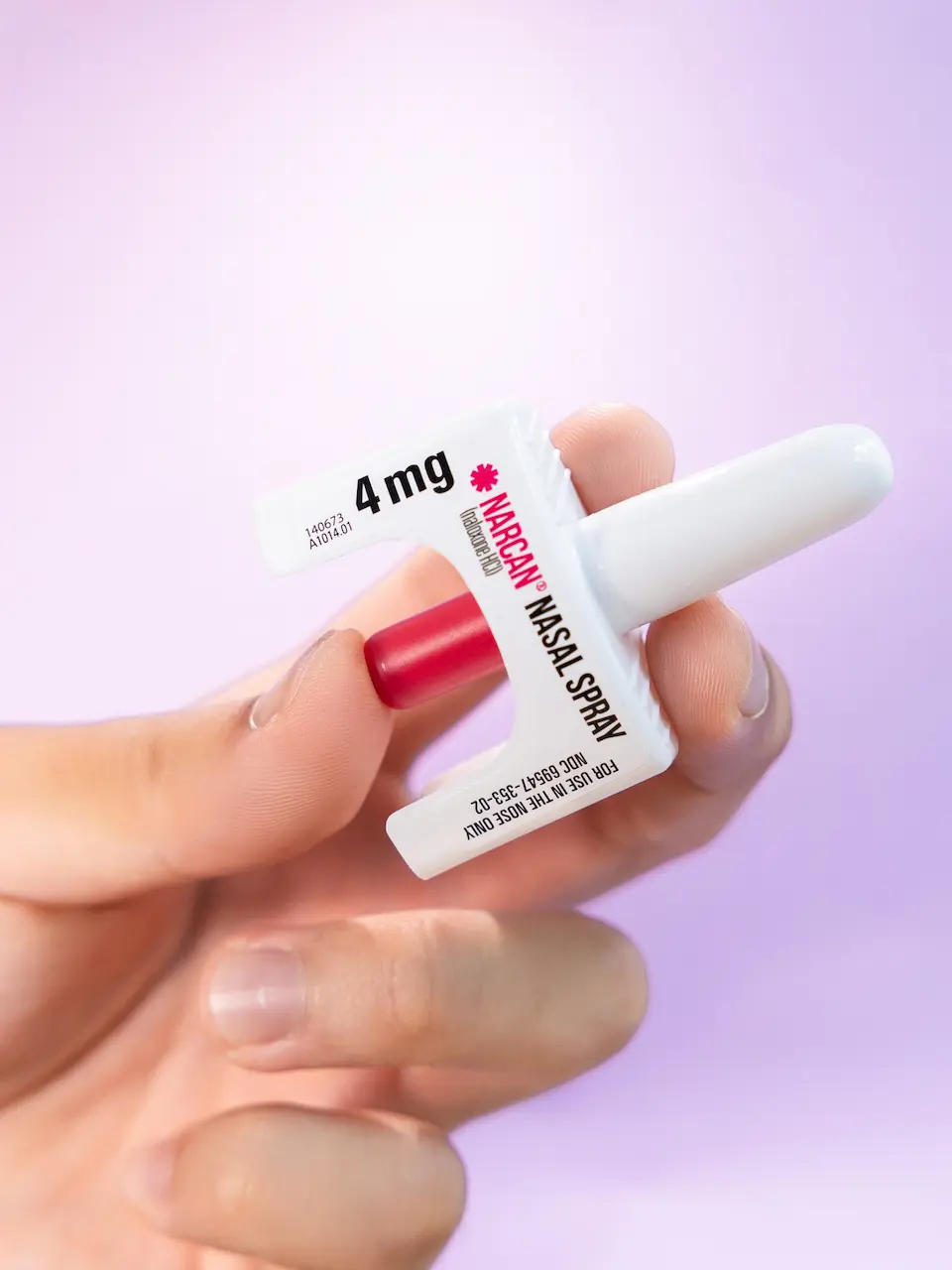
- Intranasal Narcan (Naloxone) delivered by Mateo and administered by Dr. McKay
- Prepared crash cart and standby for intubation
⮑ Outcome & Reassessment
Patient initially does not respond to the first Narcan administration, prompting the team to prepare for intubation. Shortly after, the Narcan takes effect and the patient regains consciousness.
Clinical Media
Secondary Assessment & History Taking
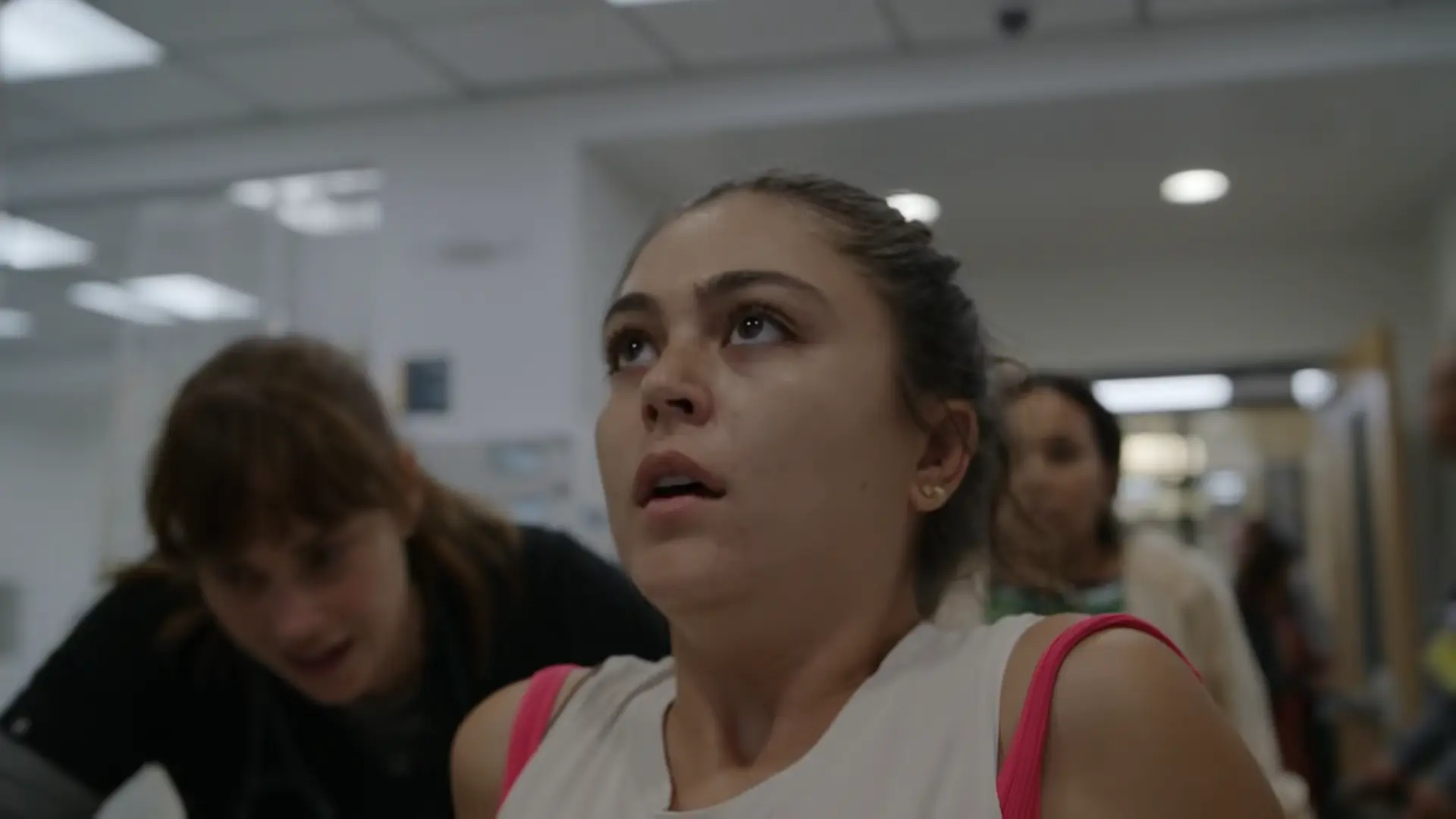
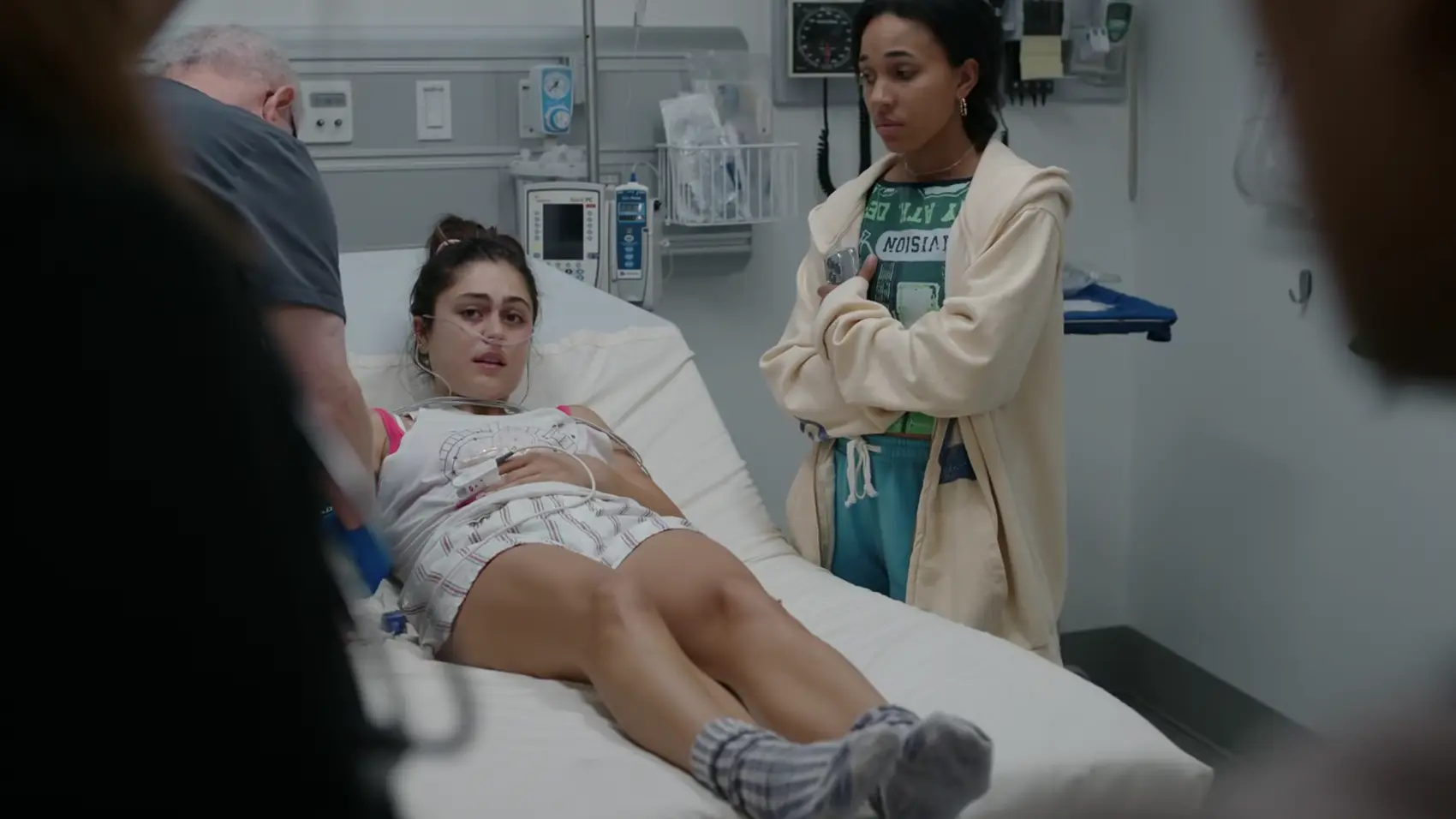
Patient is now conscious and oriented to the hospital environment; physicians need to identify the ingested substance to anticipate clinical course.
+1
Secondary Assessment & History Taking
Patient is now conscious and oriented to the hospital environment; physicians need to identify the ingested substance to anticipate clinical course.
Medical Decision Making
The rapid reversal with Naloxone confirms opioid toxicity. The patient's claim of taking 'Xanax' indicates she ingested a counterfeit pill. Counterfeit benzodiazepines and stimulants are frequently pressed with fentanyl, leading to severe, unexpected overdoses in opioid-naive patients.
Diagnostics & Findings
- Patient Interview/History
Findings:
- Patient admits to taking 'half a Xanax' to sleep
- Patient is opioid-naive ('first time')
Interventions
- Verbal reassurance
- Physical exam: Breathing, heart rate assessment
⮑ Outcome & Reassessment
Patient is defensive but cooperative. Admits to taking a pill she believed was a prescription sleep aid/anxiolytic.
Clinical Media
Bedside Education & Disposition Planning
Establishing a monitoring plan and educating the patient on the dangers of street pills.
+1
Bedside Education & Disposition Planning
Establishing a monitoring plan and educating the patient on the dangers of street pills.
Medical Decision Making
Naloxone has a shorter half-life (30-90 minutes) than most opioids, including fentanyl. There is a high risk of 're-narcotization' where the patient slips back into respiratory depression once the Narcan wears off. Continuous cardiac and respiratory monitoring is mandatory for at least 2-4 hours post-reversal.
Diagnostics & Findings
- Continuous pupil monitoring assigned to medical student Victoria Javadi
Findings:
- Patient is neurologically intact and stable
Interventions
- Patient education regarding counterfeit fentanyl pills
- Initiated a 2-4 hour observation period for heart rate and breathing
⮑ Outcome & Reassessment
Patient is stable and instructed to warn her college peers about the dangers of unprescribed pills.
Clinical Media
Diagnoses & Disposition
Evolving Diagnoses
- [Triage]Undifferentiated Coma / Suspected Overdose
- [Post-Resuscitation]Opioid Overdose (Reversed)
- [Secondary Assessment]Accidental Fentanyl Toxicity secondary to Counterfeit Alprazolam (Xanax) ingestion
Current Disposition
Admitted to ED Observation for several hours to monitor for rebound respiratory depression as Naloxone wears off.
Casebook Analysis
Episode Context
Jenna's case serves as a direct narrative parallel to the episode's tragic A-story involving Nick Bradley, an 18-year-old who is brain-dead from a fentanyl overdose. Jenna survives because her friend intervened quickly and she responded to Narcan, highlighting the razor-thin margin between life and death in the current opioid epidemic. Her survival deeply triggers Nick's grieving father later in the episode when he overhears that she ingested fentanyl.
Attending's Review
Medical Accuracy
The medical depiction is highly accurate. The identification of pinpoint pupils immediately triggering a Narcan order is a textbook ED response. Furthermore, Dr. McKay correctly identifies the risk of re-narcotization, noting they must observe her for a few hours because Narcan can wear off before the ingested opioid does. The dialogue regarding 'fentanyl being in everything on the street' perfectly reflects the current realities of emergency toxicology. The team correctly prepared for intubation when the first dose of Narcan didn't immediately work, which is standard practice for a non-responsive opioid overdose.
Clinical Pearls
The Opioid Toxidrome consists of the classic triad: Miosis (pinpoint pupils), CNS depression (coma), and Respiratory depression.
Expect the 'Flash Wake-Up': Rapid reversal of opioid toxicity with Naloxone can precipitate acute opioid withdrawal. Patients may awaken suddenly in a state of severe agitation, confusion, or combativeness, and are at high risk for sudden emesis.
Counterfeit prescription pills (like Xanax, Adderall, or Oxycodone) are frequently pressed with fentanyl. Treat all street-acquired pills as potential fentanyl exposures.
Naloxone (Narcan) has a relatively short half-life of 30 to 90 minutes. Patients successfully reversed with Naloxone must be observed for at least 2 to 4 hours to ensure they do not return to a state of respiratory depression once the antagonist wears off.
While intranasal Naloxone (often 4mg) can be repeated every 2-3 minutes, clinicians should not delay airway management indefinitely. If a patient remains apneic and unresponsive after 2 to 3 doses (or a cumulative systemic dose of ~8-10mg) while being ventilated, the team must escalate to endotracheal intubation. Failure to respond to high-dose naloxone suggests massive synthetic opioid ingestion, co-ingestion of other sedatives, or irreversible anoxic brain injury.
Similar Cases from The Show
Nick Bradley
College Kid OD
Ed Gellin
Code STEMI
Chanel Sutton
Chanel