History of Present Illness
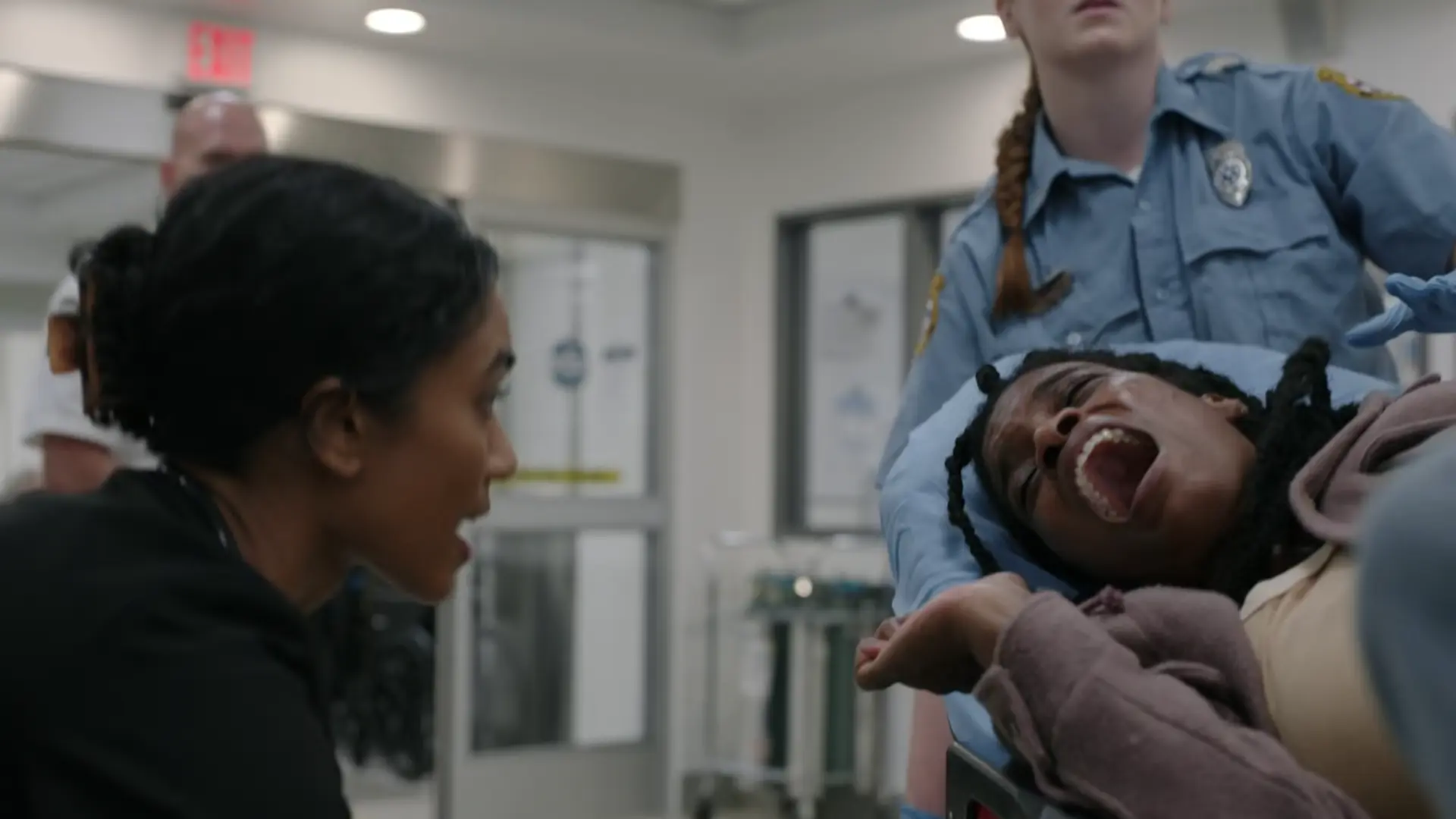
Patient is an adult female with a known history of Sickle Cell Disease who was forcibly removed from a city bus and brought to the ED by EMS and police for 'disrupting and disturbing passengers.' Prehospital personnel labeled her as 'combative' and 'drug-seeking' because she was screaming for narcotics and possessed an empty Percocet bottle filled 5 days prior. Upon arrival, the patient was physically struggling with staff, stating her home medications were not working and that she was experiencing a severe vaso-occlusive sickle cell crisis.

Emergency Department Course
Triage & Acute Resuscitation
Patient arrives via EMS with police/paramedics physically restraining her, assuming she is a drug addict seeking a fix.
+1
Triage & Acute Resuscitation
Patient arrives via EMS with police/paramedics physically restraining her, assuming she is a drug addict seeking a fix.
Medical Decision Making
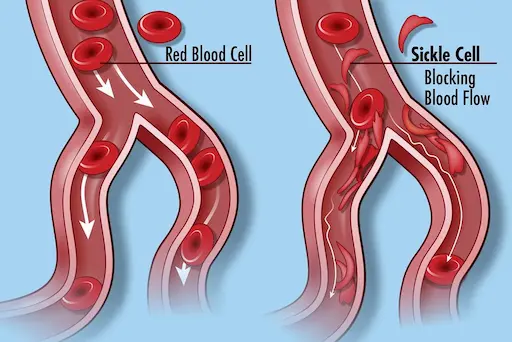
Dr. Mohan immediately recognizes the signs of a genuine vaso-occlusive crisis (VOC) and intervenes to stop the physical restraint. She understands that sickle cell pain is excruciating microvascular ischemia and that patients often have high opioid tolerances. The immediate goal is to de-escalate the psychological trauma, validate the patient's condition, and provide aggressive, rapid-onset analgesia.
Diagnostics & Findings
- Verbal confirmation of Sickle Cell history
- Stat Labs (CBC, Reticulocyte count, Type and Screen)
Findings:
- Patient is in severe pain, not merely drug-seeking.
Interventions
- Verbal de-escalation and removal of physical restraints
- 10 mg IV Morphine ordered immediately (to be repeated in 5 minutes if needed)
- Initiated an IV Dilaudid (Hydromorphone) drip
⮑ Outcome & Reassessment
Patient begins to calm down emotionally once validated and assured she is safe, awaiting the onset of the IV opioids.
Clinical Media
Reassessment & Bedside Education
Status check after 20 mg of IV Morphine has been administered.
+3
Reassessment & Bedside Education
Status check after 20 mg of IV Morphine has been administered.
Medical Decision Making
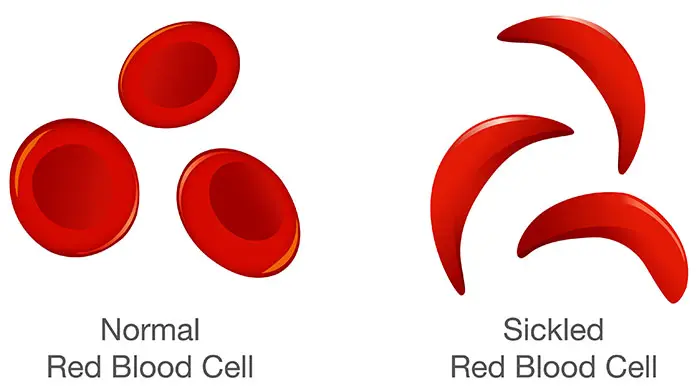
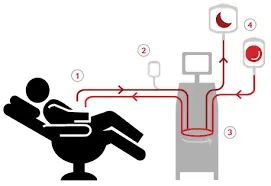
The patient is tolerating 20 mg of IV Morphine without respiratory depression, confirming a massive baseline opioid tolerance. The patient's home regimen (90 mg ER Morphine BID + PRN Oxycodone) justifies the need for high-dose continuous ED management. Labs returned showing a Hemoglobin of 6 g/dL. Given the severe anemia and intractable pain, an exchange transfusion is indicated to physically remove sickled red blood cells and replace them with healthy donor cells, improving oxygen carrying capacity and halting the crisis. Dr. Mohan uses this moment to correct her junior colleague's implicit bias regarding the 'surprising' opioid dosage.
Diagnostics & Findings
- CBC Results Review
Findings:
- Hemoglobin critically low at 6 g/dL
- Patient's home opioid regimen is exceptionally high, confirming tolerance
Interventions
- Ordered an Exchange Transfusion
- Started continuous IV Dilaudid (Hydromorphone) at 4 mg/hr via PCA (Patient-Controlled Analgesia)
⮑ Outcome & Reassessment
Pain is reported as 'a little better'. Patient anticipates and agrees with the plan for an exchange transfusion.
Clinical Media

Family Update & Apology
Patient's wife, Ondine, arrives at the bedside.
Family Update & Apology
Patient's wife, Ondine, arrives at the bedside.
Medical Decision Making
With the acute medical crisis stabilized by continuous Dilaudid and an impending exchange transfusion, the physician's focus shifts to patient advocacy, psychological first aid, and repairing the hospital-patient relationship after the initial biased trauma inflicted by EMS/Triage.
Diagnostics & Findings
Findings:
- Patient is visibly relieved and states she feels 'so much better.'
Interventions
- Formal apology delivered to the patient and her wife for the implicit bias and poor treatment upon arrival
- Assurance of continued, aggressive, and respectful sickle cell crisis management
⮑ Outcome & Reassessment
Patient and family are appreciative and trust has been established with the treating physician.
Patient Status Update / Boarding
Routine ED rounding and status update on boarding patients.
+1
Patient Status Update / Boarding
Routine ED rounding and status update on boarding patients.
Medical Decision Making
The patient's exchange transfusion is progressing well. However, she now requires inpatient telemetry monitoring, which is standard given the fluid shifts, electrolyte fluctuations, and acute physiological stressors involved in an exchange transfusion for severe sickle cell crisis. Because inpatient beds are scarce, the patient is currently boarding in the ED.
Diagnostics & Findings
Findings:
- Patient is tolerating the exchange transfusion well.
Interventions
- Continued exchange transfusion
- Placed on list for an inpatient telemetry bed
⮑ Outcome & Reassessment
Doing well. Transitioning from acute crisis management to post-intervention monitoring.
Clinical Media
Acute Chest Syndrome
Patient's oxygen saturation drops significantly despite ongoing exchange transfusion and high-flow oxygen support.
+1
Acute Chest Syndrome
Patient's oxygen saturation drops significantly despite ongoing exchange transfusion and high-flow oxygen support.
Medical Decision Making
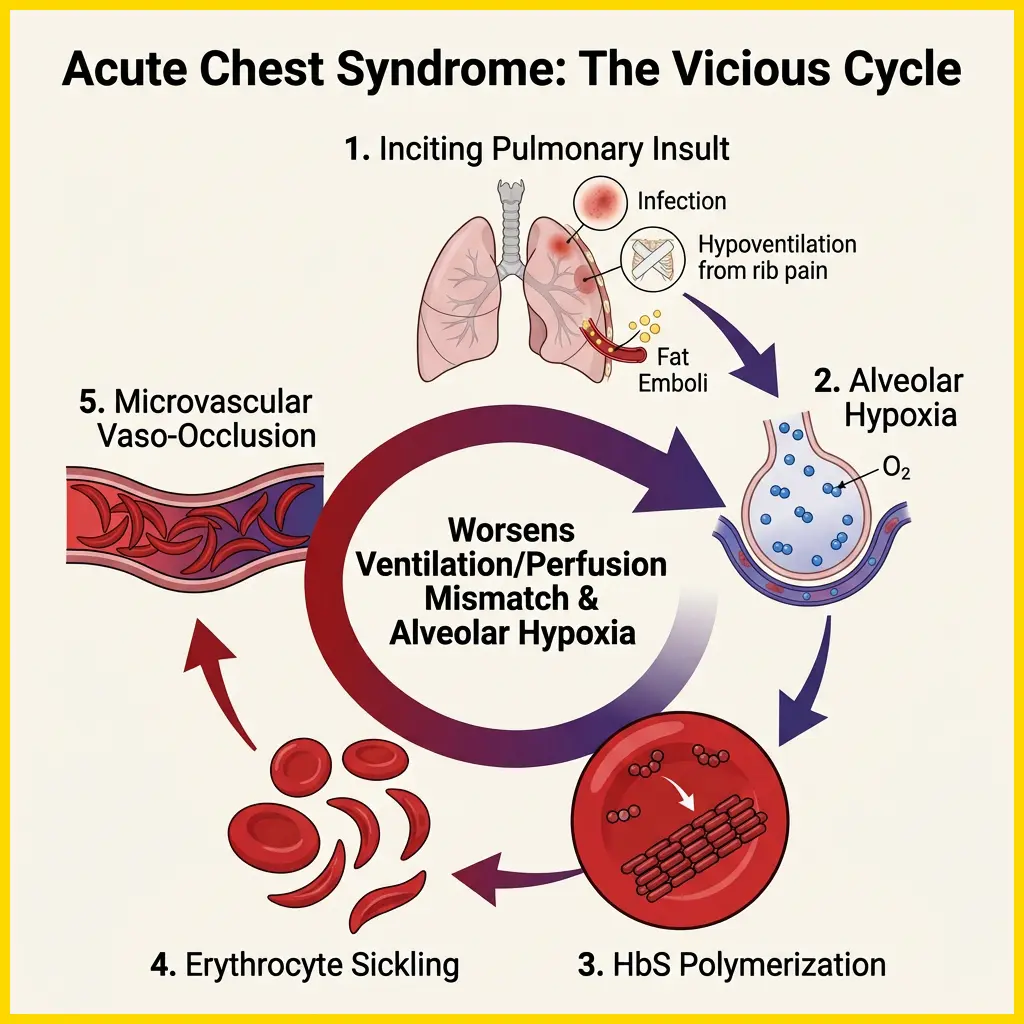
The exchange transfusion has not successfully reduced the HbS fraction below the critical 30% threshold quickly enough. The severe hypoxia (SpO2 84%) indicates that the patient is developing Acute Chest Syndrome (ACS). This hypoxia creates a vicious cycle, triggering further sickling and microvascular occlusion. Intubation is required to aggressively reverse the hypoxemia, reduce the work of breathing, and prevent catastrophic secondary events such as stroke or myocardial infarction.
Diagnostics & Findings
- Continuous pulse oximetry monitoring
Findings:
- Hypoxia at 84% refractory to High Flow Nasal Cannula.
- Clinical signs of Acute Chest Syndrome.
Interventions
- Advised patient and family of the urgent need for endotracheal intubation.
- Stepped out to allow the family privacy to discuss.
⮑ Outcome & Reassessment
Patient is conscious, coughing, and fearful of intubation. Hesitant to proceed immediately.
Clinical Media
Consent Form
Dr. Robinavitch prompts Dr. Mohan about the delay in obtaining consent to intubate the critically hypoxic patient.
Consent Form
Dr. Robinavitch prompts Dr. Mohan about the delay in obtaining consent to intubate the critically hypoxic patient.
Medical Decision Making
Prolonged hypoxia in a sickle cell patient exponentially increases the risk of irreversible end-organ damage (stroke, heart attack, death). Further delay is no longer clinically acceptable.
Diagnostics & Findings
Findings:
- Patient remains critically hypoxic.
Interventions
- Re-engaged the patient to obtain informed consent for the intubation procedure.
⮑ Outcome & Reassessment
Patient consents to the procedure after expressing fear and a desire to be 'awake' (lightened sedation) to communicate post-intubation.
Endotracheal Intubation
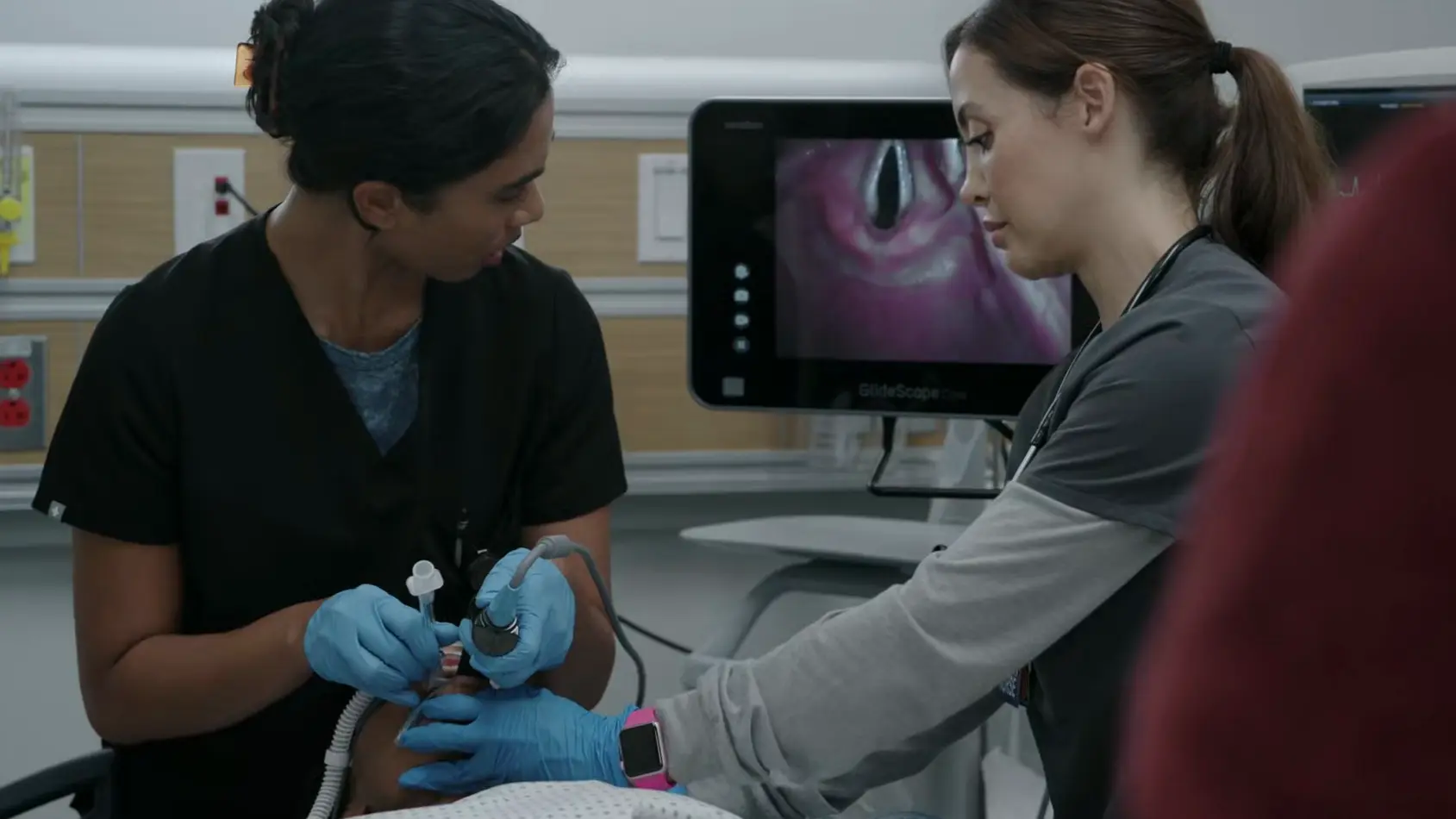
Worsening Acute Chest Syndrome necessitating securing of the airway and mechanical ventilation.
+1
Endotracheal Intubation
Worsening Acute Chest Syndrome necessitating securing of the airway and mechanical ventilation.
Medical Decision Making
Rapid Sequence Intubation (RSI) is indicated. A pre-procedure timeout confirms the plan: use video laryngoscopy for optimal view, size 8.0 Endotracheal Tube (with 7.5 backup), and prepare a bougie and LMA for difficult airway contingencies. Induction with Propofol 75mg and paralysis with Rocuronium 100mg are appropriate choices. The clinical plan includes lightening the post-intubation sedation as requested by the patient so she can communicate via an iPad.
Diagnostics & Findings
- Direct visualization of the vocal cords via video laryngoscopy.
- Auscultation of bilateral breath sounds post-intubation.
Findings:
- Excellent view of the vocal cords achieved.
- Good bilateral breath sounds confirmed after tube placement.
Interventions
- Administered 75 mg Propofol and 100 mg Rocuronium IV.
- Successfully intubated with an 8.0 ET tube via video laryngoscopy.
- Inflated the ET tube cuff and initiated mechanical ventilation.
- Requested an ICU bed for ongoing care.
⮑ Outcome & Reassessment
Intubation was successful without complication. Patient's oxygen saturation immediately improved to 92% and continued rising.
Clinical Media
Diagnoses & Disposition
Evolving Diagnoses
- [S01E02]Vaso-occlusive Crisis (VOC) secondary to Sickle Cell Disease
- [S01E02]Severe Anemia (Hemoglobin 6 g/dL)
- [S01E05]Acute Chest Syndrome
- [S01E05]Acute Hypoxic Respiratory Failure
Current Disposition
Admitted to the ICU. Intubated and mechanically ventilated for Acute Chest Syndrome, with arrangements made for her wife to stay in the room.
Casebook Analysis
Episode Context
The case initially serves as a powerful narrative on implicit bias and racial disparities in healthcare. It highlights the frequent mistreatment of Sickle Cell patients, who are overwhelmingly Black and are often wrongfully labeled as 'drug-seeking' or 'addicts' due to their chronic pain conditions and correspondingly high opioid tolerances. In S01E05, Joyce develops Acute Chest Syndrome, forcing Dr. Mohan to navigate the emotional weight of intubating a patient she has bonded with. It juxtaposes the clinical necessity of swift action against the human need for empathy, as Dr. Mohan's hesitation to rush the intubation nearly puts the patient in further danger.
Attending's Review
Medical Accuracy
The medical depiction is highly accurate and socially poignant. Sickle Cell patients often require massive doses of opioids during a VOC to overcome their baseline tolerance (e.g., this patient's home regimen of 90mg ER Morphine BID + PRN Oxycodone). The doses administered in the ED (10-20mg IV Morphine followed by a 4mg/hr Dilaudid drip) would cause fatal respiratory depression in an opioid-naive patient, but are realistic and necessary for a tolerant patient in severe crisis. The description of the pain as 'electrical stabbing' and 'flushing glass' accurately reflects the microvascular ischemia typical of the disease. Furthermore, ordering an exchange transfusion for a hemoglobin of 6 in the setting of severe, refractory VOC is an appropriate and aggressive standard of care. Mentioning her boarding for a telemetry bed in S01E04 accurately reflects the reality of overcrowded emergency departments. The depiction in S01E05 of Acute Chest Syndrome developing despite an ongoing exchange transfusion is realistic, as ACS can progress rapidly and is highly fatal. The Rapid Sequence Intubation (RSI) details specifically the timeout mentioning Propofol 75mg, Rocuronium 100mg, an 8.0 ET tube, video laryngoscopy, and difficult airway backups (bougie/LMA) are a textbook representation of standard-of-care emergency airway management for an adult.
Complications & Errors
- Prehospital Implicit Bias: EMS and police assumed the patient was a drug addict acting out on a bus, physically restraining her and escalating her physiological and psychological stress. They completely missed a life-threatening hematologic crisis based on preconceived prejudices regarding her behavior and an empty prescription bottle.
- Delayed Intervention due to Emotional Attachment (S01E05): Dr. Mohan's empathy and desire to give the family space caused a delay in securing a definitive airway for a patient who was critically hypoxic (SpO2 84%). In Sickle Cell Disease, prolonged hypoxia can trigger a deadly feedback loop of mass sickling.
Clinical Pearls
Sickle Cell Vaso-Occlusive Crisis (VOC) causes extreme ischemic pain. Standard ED opioid protocols often severely under-dose these patients; always ascertain and account for their baseline home opioid tolerance.
Beware of implicit bias: Chronic pain patients, especially minorities with Sickle Cell Disease, are disproportionately labeled as 'drug-seeking'. Validate their pain, check their objective markers (like a Hemoglobin of 6), and treat aggressively.
Exchange transfusions may be indicated in severe sickle cell complications (e.g., Acute Chest Syndrome, stroke, or severe refractory VOC with profound anemia) to physically remove the sickled erythrocytes and replace them with normal hemoglobin.
Acute Chest Syndrome (ACS) is the leading cause of death in Sickle Cell Disease. It is characterized by new pulmonary infiltrates, chest pain, fever, and hypoxemia. Rapid intervention with exchange transfusion and, if necessary, mechanical ventilation is critical to prevent a deadly spiral of hypoxia-induced sickling.
Why was Joyce intubated? In Acute Chest Syndrome (ACS), severe and refractory hypoxemia (e.g., SpO2 < 90% despite high-flow oxygen) is a critical indication for endotracheal intubation. Mechanical ventilation with Positive End-Expiratory Pressure (PEEP) is necessary to recruit alveoli, reverse V/Q mismatch, and rapidly correct hypoxia, which is essential to break the vicious cycle of hypoxia-induced erythrocyte sickling.
Successful Rapid Sequence Intubation (RSI) requires preparation of equipment and backup plans. Always have a primary airway plan (video laryngoscope, appropriately sized ET tube), a backup size (half-size smaller on standby), rescue devices immediately at hand (bougie, Laryngeal Mask Airway [LMA]), and clearly calculated induction and paralytic agents (e.g., Propofol and Rocuronium).
Similar Cases from The Show


Related Specialties
Chart Navigation
Joyce St. Claire
C/OSevere, diffuse body pain, initially flagged by EMS as 'drug-seeking behavior'.