History of Present Illness
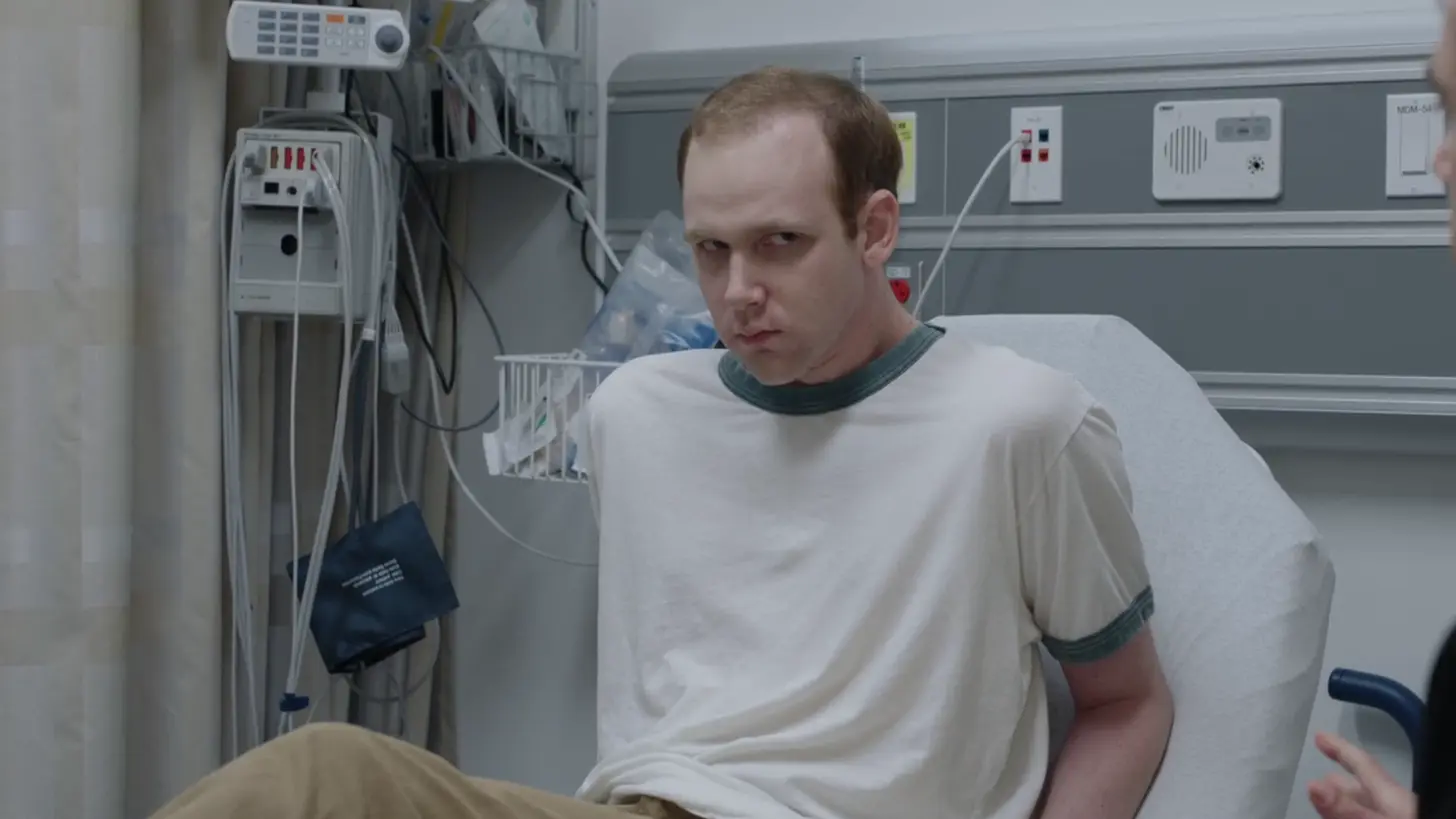
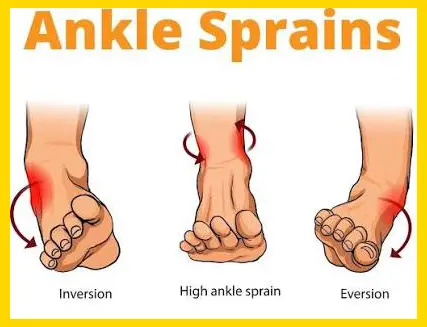
Patient presents to the ED after everting his left ankle while playing table tennis. He is highly anxious about an upcoming tournament in six weeks and demands a highly detailed, systematic evaluation. His past medical history is notable for Autism Spectrum Disorder (ASD), making the chaotic, bright ER environment overstimulating and causing him to present as overly rigid and inquisitive (Dr. Google) to the initial provider.
Emergency Department Course
Initial Evaluation
Patient placed in room for left ankle injury.
+2
Initial Evaluation
Patient placed in room for left ankle injury.
Medical Decision Making
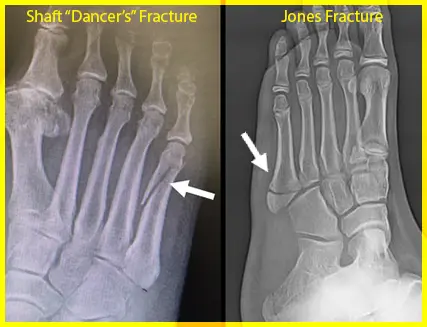
Provider assumes a routine, straightforward ankle sprain and skips a detailed History of Present Illness (HPI). The patient is frustrated that the doctor did not ask about popping/snapping sounds, previous injuries, or weight-bearing status, and brings up differentials like Jones fracture or Dancer's fracture.
Diagnostics & Findings
Findings:
- Patient is highly interrogative and fixated on specific medical terminology and procedures.
Interventions
- Provider leaves room to get fresh ice.
⮑ Outcome & Reassessment
Patient is dissatisfied with the bedside manner and the lack of a rigorous, systematic HPI.
Clinical Media
Mel Takes Over
Provider frustration with patient's questioning.
Mel Takes Over
Provider frustration with patient's questioning.
Medical Decision Making
Dr. Langdon complains about the patient asking too many questions. Dr. Melissa King reviews the chart and immediately identifies that the patient is on the autism spectrum, changing the clinical approach.
Diagnostics & Findings
- Chart review
Findings:
- Past Medical History: Autism Spectrum Disorder
Interventions
- Dr. Melissa King volunteers to take over communication with the patient.
⮑ Outcome & Reassessment
Dr. Melissa King prepares to evaluate the patient with appropriate sensory and communication accommodations.
Secondary Evaluation
Transfer of care to establish better rapport.
Secondary Evaluation
Transfer of care to establish better rapport.
Medical Decision Making
Recognizing the patient's ASD, Dr. King dims the bright hospital lights to reduce sensory overload. She validates his specific goals (playing in the USATT tournament) and assesses weight-bearing status (Ottawa Ankle Rules) to clinically evaluate for a fracture before imaging.
Diagnostics & Findings
- Ambulation test (Ottawa Ankle Rules)
Findings:
- Patient is able to walk around the room with only 'a little' pain. Diminishes likelihood of serious fracture.
Interventions
- Environmental modification (dimming lights).
- Clear, direct, and literal communication.
⮑ Outcome & Reassessment
Patient is much calmer and cooperative when his sensory needs are met and his questions are answered logically.
Diagnostics & Disposition
X-ray results return.
Diagnostics & Disposition
X-ray results return.
Medical Decision Making
X-rays are negative for fracture. Diagnosis is confirmed as a second-degree sprain. Early functional rehabilitation (weight-bearing with support) accelerates healing compared to strict immobilization.
Diagnostics & Findings
- Left Ankle X-rays
Findings:
- No fracture identified.
Interventions
- Prescribed an ankle stirrup brace.
- Educated patient on weight-bearing benefits.
- Discharge instructions: Elevate, ice for 20 minutes twice a day, wear stirrup for six weeks during athletic activity.
⮑ Outcome & Reassessment
Patient understands the treatment plan, feels respected, and is discharged in good condition.
Diagnoses & Disposition
Evolving Diagnoses
- [S01E07]Second-degree left ankle sprain
Current Disposition
Discharged home with an ankle stirrup and RICE instructions. Cleared to begin weight-bearing functional rehab.
Casebook Analysis
Episode Context
The case highlights the contrast in bedside manner between Dr. Langdon, who is rushed and dismissive of a demanding patient, and Dr. Melissa King, whose personal experience with her neurodivergent sister allows her to provide excellent, tailored care. It underscores the importance of treating the whole patient, not just the physical injury.
Attending's Review
Medical Accuracy
Highly accurate in several aspects. The patient's question about pop/snap, previous injuries, and weight bearing perfectly mirrors standard orthopedic HPI criteria. Dr. King's use of an ambulation test aligns with the Ottawa Ankle Rules. The modern standard of care for a minor-to-moderate ankle sprain correctly favors early weight-bearing with functional support (like a stirrup brace) over rigid immobilization.
Complications & Errors
- Dr. Langdon failed to read the patient's Past Medical History, completely missing the Autism diagnosis.
- Dr. Langdon skipped taking a formal HPI, alienating a detail-oriented patient.
- Dr. Langdon failed to recognize sensory overload triggers (harsh fluorescent lighting) in an ED environment for an ASD patient.
Clinical Pearls
Always review the Past Medical History before entering the room; neurodivergent diagnoses radically shift how a clinical interview should be conducted.
The Emergency Department is incredibly overstimulating. Simple environmental modifications, like dimming lights and minimizing alarms, can drastically improve the assessment of an autistic patient.
A 'pop' or 'snap' at the moment of injury is an important piece of the orthopedic history. A 'pop' often indicates a complete ligamentous tear (Grade III sprain), tendon rupture, or fracture, which guides the clinician toward a higher suspicion for severe structural damage.
The Ottawa Ankle Rules provide a validated clinical decision tool to rule out fractures and avoid unnecessary X-rays. Imaging is indicated only if there is pain in the malleolar or midfoot zone combined with bone tenderness at the posterior edge/tip of either malleolus, bone tenderness at the navicular or base of the 5th metatarsal, or an inability to bear weight for 4 steps both immediately after the injury and in the ED.
According to the Ottawa Ankle Rules, if a patient can bear weight both immediately after the injury and in the ED (taking 4 steps), a fracture is highly unlikely.
Early functional rehabilitation (e.g., using an ankle stirrup and bearing weight as tolerated) is preferred over prolonged immobilization for simple ankle sprains, as it promotes better tissue healing and functional recovery.
Similar Cases from The Show

Miles Hernandez
Ambulance Thief Driver

Dennis Whitaker
MS4 Whitaker / Huckleberry

Frida Cohen
Elderly Auto vs Pedestrian