History of Present Illness
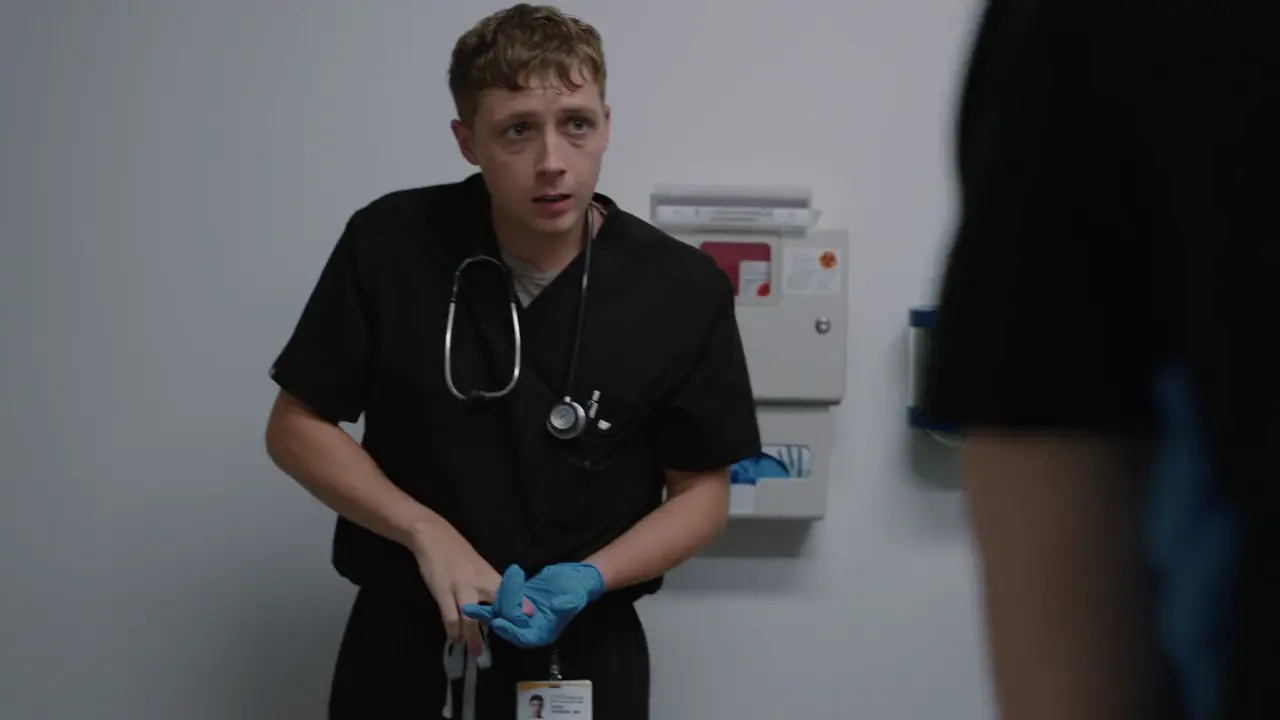
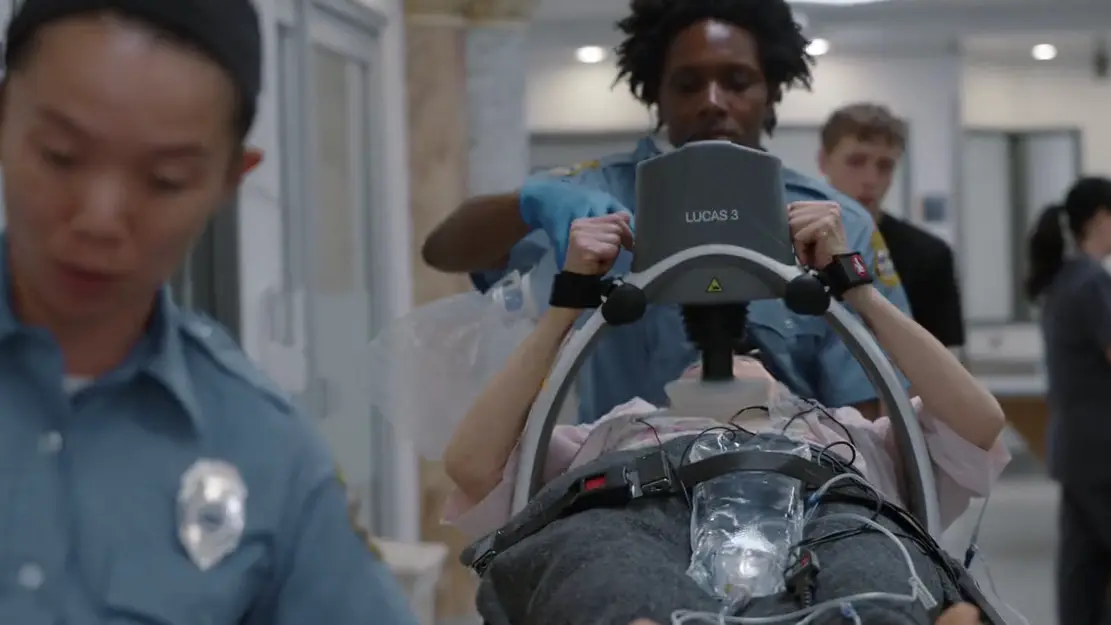
Dennis Whitaker, a 4th-year medical student (MS4) on his first day in the Emergency Department, was participating in the resuscitation of an 89-year-old female patient in cardiac arrest. While assisting the team in transferring the patient from the gurney to the ED bed, he sustained a pinch or crush injury to his finger, which subsequently developed into a painful subungual hematoma.
Emergency Department Course
Acute Occupational Injury & Triage
Student doctor injured his finger during a coordinated team transfer of a cardiac arrest patient to the ED bed.
Acute Occupational Injury & Triage
Student doctor injured his finger during a coordinated team transfer of a cardiac arrest patient to the ED bed.
Medical Decision Making
The injury was witnessed by the team and deemed a low-energy mechanism (a pinch during a bed transfer). Because there were no signs of severe deformity, degloving, or arterial bleeding, emergent imaging was deferred. First-line management for acute soft tissue trauma is conservative therapy (cryotherapy/ice) to reduce inflammation and pain.
Diagnostics & Findings
- Visual inspection
Findings:
- Acute pain and likely mild swelling/erythema of the digit
- No gross deformity noted
Interventions
- Dr. Langdon noted the incident, jokingly declaring 'Students are dropping like flies.'
- Excused from the code/patient care to rest
- Instructed to apply ice to the affected digit
⮑ Outcome & Reassessment
Dennis successfully iced the finger and rested, but developed increasing pressure and throbbing pain as a hematoma formed under the nail.
Bedside Procedure
Dennis complained of intense, throbbing pain in the injured finger due to blood under pressure beneath the nail.
+2
Bedside Procedure
Dennis complained of intense, throbbing pain in the injured finger due to blood under pressure beneath the nail.
Medical Decision Making
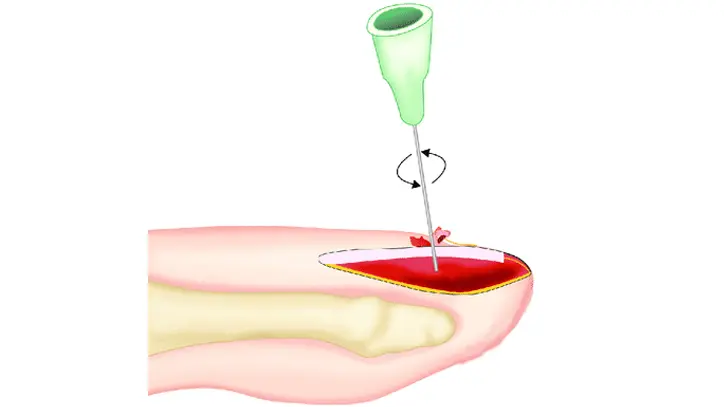
A crush injury to the distal phalanx commonly results in bleeding under the nail plate (subungual hematoma). The trapped blood creates significant pressure, causing intense, throbbing pain. Draining the hematoma via trephination provides immediate symptomatic relief. Local anesthesia (like a digital block) is usually unnecessary if the provider carefully pierces only the insensate nail plate without hitting the highly innervated nail bed below.
Diagnostics & Findings
- Clinical visual evaluation
Findings:
- Visible subungual hematoma with tense, pressurized blood accumulation
Interventions
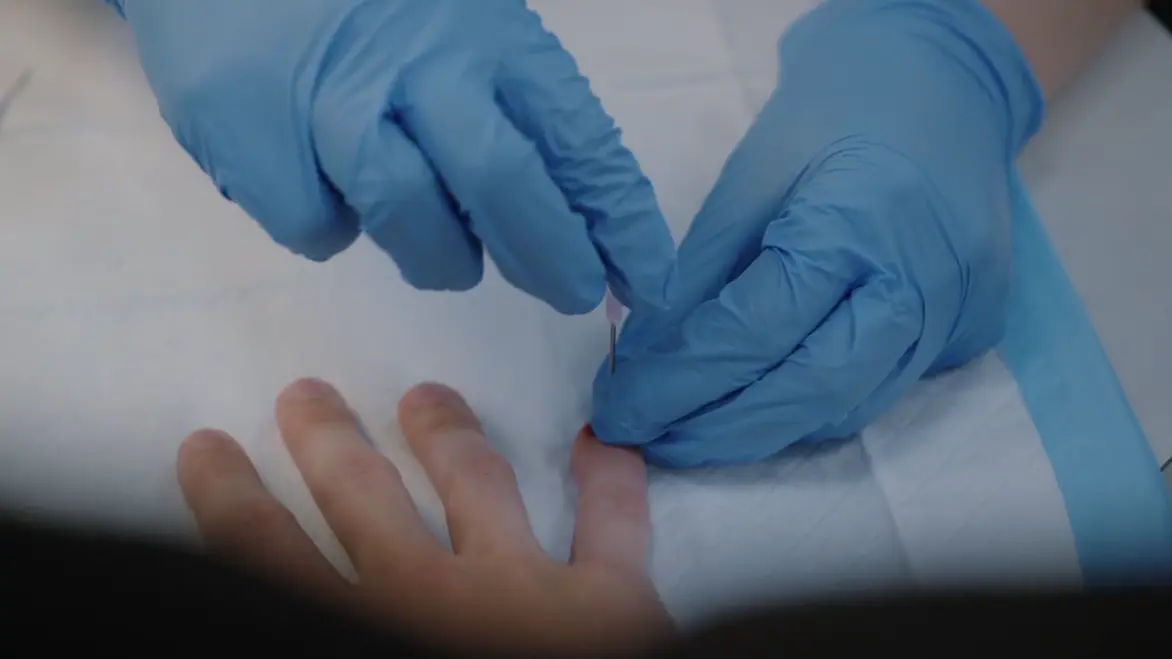
- Nail trephination performed by Dr. Santos using a needle to pierce the nail plate and allow the trapped blood to drain.
- Procedure completed without anesthesia.
⮑ Outcome & Reassessment
Immediate resolution of pain. Dennis stated, 'Wow, pain's gone,' and was immediately cleared to return to picking up new patients.
Clinical Media
Diagnoses & Disposition
Evolving Diagnoses
- [S01E01]Minor digit contusion / soft tissue crush injury
- [S01E01]Subungual hematoma
Current Disposition
Returned to full clinical duty after successful bedside trephination of subungual hematoma.
Casebook Analysis
Episode Context
This brief event serves to illustrate the chaotic, overwhelming 'trial by fire' environment of the ED for new trainees. Occurring shortly after another student (Javadi) fainted, Dennis's injury prompts Dr. Langdon to joke that 'students are dropping like flies.' Later, he receives a quick bedside procedure from a fellow trainee, demonstrating the 'treat 'em and street 'em' camaraderie among ED staff and allowing him to jump back into the workflow, where he is playfully hazed by Dr. Langdon (who calls him 'Huckleberry').
Attending's Review
Medical Accuracy
Highly realistic. The ED is a hazardous physical environment, and transferring dead-weight patients to stretchers frequently results in occupational pinch injuries to the hands of inexperienced personnel who haven't learned proper hand placement. The subsequent management—bedside nail trephination without anesthesia using a needle—is a very common, medically accurate, and deeply satisfying ED procedure that yields instant relief.
Complications & Errors
- Poor situational awareness and improper hand placement during a rapid patient bed transfer led to the initial injury.
Clinical Pearls
Always clear hands and visually confirm safety before executing a coordinated patient roll, bed transfer, or engaging mechanical devices.
In acute minor soft tissue injuries, immediate application of ice and temporary rest (RICE protocol) is the standard of care to limit edema.
Subungual hematomas are extremely painful due to pressure buildup in a closed space. Trephination (using an 18-gauge needle or electrocautery device) is a simple, highly effective procedure that provides near-instantaneous relief and typically does not require digital block anesthesia if performed carefully to avoid the underlying nail bed.
Similar Cases from The Show
Minu Agrawal
Minu Agrawal - Degloved Foot - Open Fracture Dislocation
Unknown
89-year-old SNF DNR Patient with End-of-Life Wishes LUCAS Device
Charlie
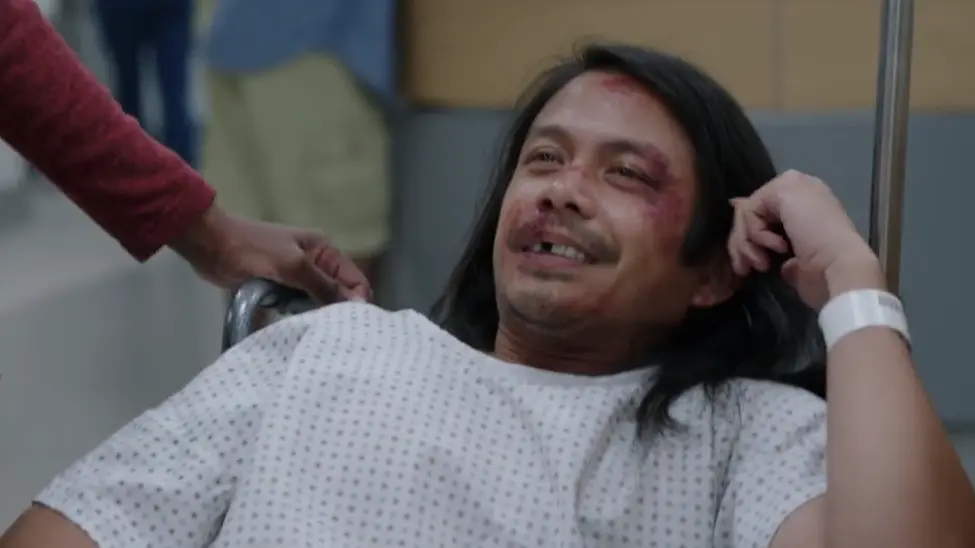
Bar Fight Billy - Missing Tooth