History of Present Illness
Patient is a female in her 20s brought to the ED by her roommate, Charis, after wandering into a busy intersection, running in and out of traffic, and yelling at cars and pedestrians. The roommate reports a one-month history of progressive behavioral changes, including severe insomnia, talking to herself at all hours, and possible suicidality. Nandi has no known psychiatric history or recreational drug use. After initial sedation, the patient reported significant physical symptoms accompanying her psychiatric changes: severe bilateral hand tremors (inability to apply makeup), numbness in her feet (peripheral neuropathy), and episodes of depersonalization/derealization.

Emergency Department Course
Triage & Chemical Restraint
Patient brought in screaming, paranoid, and physically struggling with staff.
+1
Triage & Chemical Restraint
Patient brought in screaming, paranoid, and physically struggling with staff.
Medical Decision Making
Patient presents with acute psychosis and poses an immediate danger to herself and staff. Chemical restraint is required to safely examine her. Given her age, first-break schizophrenia is high on the differential, but a full medical workup must rule out organic, metabolic, infectious, and toxicological causes.
Diagnostics & Findings
- Attempted visual and cranial nerve exam (patient uncooperative)
- Chem panel
- CBC
- TSH and T4
- Urine Drug Screen
- hCG (Pregnancy test)
Findings:
- Patient actively hallucinating and delusional 'The furniture's changed', 'It's not real'.
Interventions
- Administered Olanzapine 10 mg IM/IV for acute agitation
⮑ Outcome & Reassessment
Patient sedated enough to allow for further interviewing and diagnostic testing.
Clinical Media

Secondary History
Post-sedation reassessment to gather deeper history from the patient.
+1
Secondary History
Post-sedation reassessment to gather deeper history from the patient.
Medical Decision Making
With the patient calmer, it is crucial to identify any focal neurological deficits or somatic symptoms that point away from primary psychiatric illness. The presence of new-onset tremors and peripheral neuropathy drastically changes the clinical picture, strongly suggesting an organic or toxicological etiology affecting the central and peripheral nervous systems.
Diagnostics & Findings
- Detailed clinical interview
- Ordered Head CT with contrast
Findings:
- Patient reports bilateral hand tremors.
- Patient reports numbness in feet (peripheral neuropathy).
- Patient describes depersonalization 'I don't recognize myself in the mirror sometimes'.
Interventions
⮑ Outcome & Reassessment
Dr. Mohan recognizes the red flags for organic disease and successfully advocates for neuroimaging before jumping to a psych consult.
Clinical Media

Lab Review & Disposition Disagreement
Results of the standard medical clearance workup return.
Lab Review & Disposition Disagreement
Results of the standard medical clearance workup return.
Medical Decision Making
Dr. Robinavich uses heuristic processing: negative tox screen and negative head CT in a 20-something with psychosis equals schizophrenia. Dr. Mohan, however, recognizes that the patient's physical symptoms (tremors, neuropathy) remain unexplained by schizophrenia, indicating premature closure by her attending.
Diagnostics & Findings
- Review of Head CT (Normal)
- Review of UDS (Negative)
- Review of basic labs (Normal)
Findings:
- No standard metabolic, infectious, or structural abnormalities identified.
Interventions
- Robby orders patient cleared for Psychiatric admission (overridden by Dr. Mohan)
⮑ Outcome & Reassessment
Dr. Mohan decides to trust her clinical intuition and re-interviews the patient instead of consulting psych.
Toxicological Investigation
Investigating obscure toxicological exposures based on patient's occupation as a beauty influencer.
+1
Toxicological Investigation
Investigating obscure toxicological exposures based on patient's occupation as a beauty influencer.
Medical Decision Making
Knowing the patient is a beauty influencer, Dr. Mohan suspects a topical exposure. Unregulated skin brightening creams from overseas frequently contain toxic levels of inorganic mercury. Mercury poisoning causes a classic triad: tremors, gingivitis, and erethism (neuropsychiatric changes including paranoia, memory loss, and insomnia), along with peripheral neuropathy.
Diagnostics & Findings
- Review of patient's topical skincare regimen
- Cross-referenced patient's foreign skin brightening cream with FDA warning lists
- Ordered Heavy Metals Panel (Mercury, Lead, Arsenic)
Findings:
- Patient frequently uses an imported skin-brightening cream flagged by the FDA for high mercury content.
Interventions
- Halted Psychiatric consult
- Admitted to medical toxicology workup
⮑ Outcome & Reassessment
Diagnosis shifted from psychiatric to toxicological; patient kept in medical ED pending heavy metal lab results.
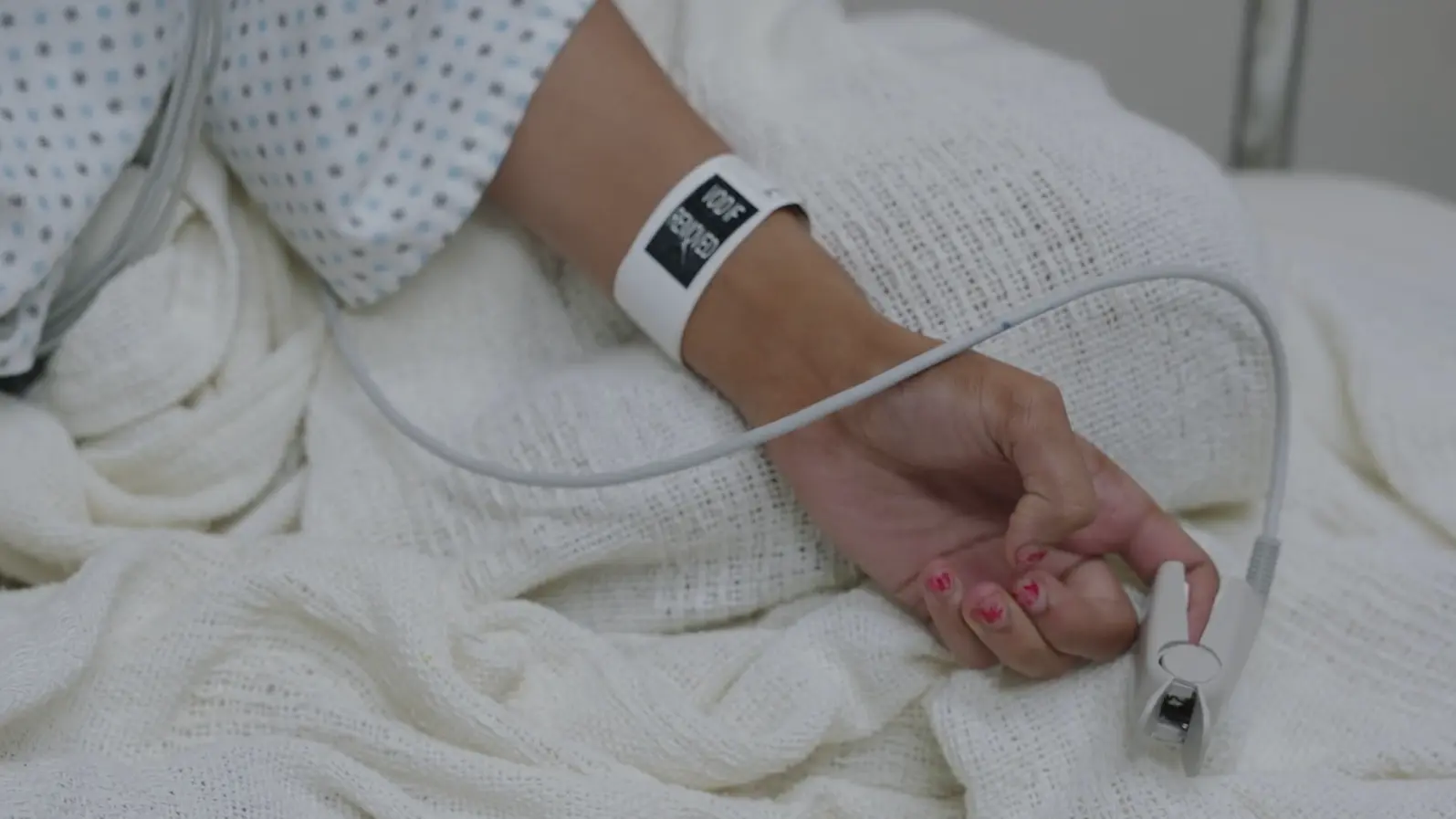
Clinical Media
Diagnoses & Disposition
Evolving Diagnoses
- [S01E07]Acute Psychosis / Rule out First-Break Schizophrenia
- [S01E07]Encephalopathy with Neuropathy (Rule out intracranial lesion)
- [S01E07]Suspected Heavy Metal Toxicity (Mercury Poisoning)
Current Disposition
Admitted to medical service/toxicology pending results of a Heavy Metals Panel for suspected topical Mercury poisoning.
Casebook Analysis
Episode Context
The case serves as a vehicle for Dr. Samira Mohan's growth as an independent physician. She learns to trust her clinical intuition and pushes back against an attending.
Attending's Review
Medical Accuracy
The presentation is highly accurate for inorganic mercury toxicity. Mercury poisoning from contaminated skin-lightening creams is a well-documented public health issue. The patient's presentation features erethism (characterized by severe behavioral changes, paranoia, and insomnia), intention tremors, and peripheral neuropathy; a neuropsychiatric and neurological symptom complex caused by chronic mercury exposure. Furthermore, standard urine drug screens and basic metabolic panels will not detect heavy metals; identifying this condition requires a high index of suspicion and targeted heavy metal testing.
Complications & Errors
- Premature Closure: Dr. Robinavich attempts to clear the patient for psychiatry based purely on a negative standard workup, completely ignoring her physical symptoms of tremors and neuropathy which rule out a primary psychiatric illness.
Clinical Pearls
For acute undifferentiated agitation requiring chemical restraint, intramuscular second-generation antipsychotics like the Olanzapine used in this case are highly effective first-line agents. Other standard options include first-generation antipsychotics (e.g., Haloperidol or Droperidol) often combined with a benzodiazepine (e.g., Midazolam or Lorazepam), while IM Ketamine remains a rapid and potent alternative for severe, dangerous agitation.
Always investigate organic causes of new-onset psychosis. Somatic symptoms like tremors, abnormal vital signs, and peripheral neuropathy should instantly halt a pure psychiatric diagnosis.
A thorough social and occupational history is a potent diagnostic tool. Knowing the patient's job as a 'beauty influencer' unlocked the exposure pathway.
Beware of unregulated or imported cosmetics and supplements; they are frequent culprits in obscure toxicological presentations, particularly heavy metal poisoning.
Similar Cases from The Show

Curtis Larson
Code Hula Hoop Patient / Golf Course Attacker
Eddie Cohen
Unsteady Elderly Driver

Theresa
54-year-old vomiting mother
Related Specialties
Chart Navigation
Nandi Jawaharlal
C/OAcute altered mental status, paranoia, and erratic behavior in traffic