History of Present Illness
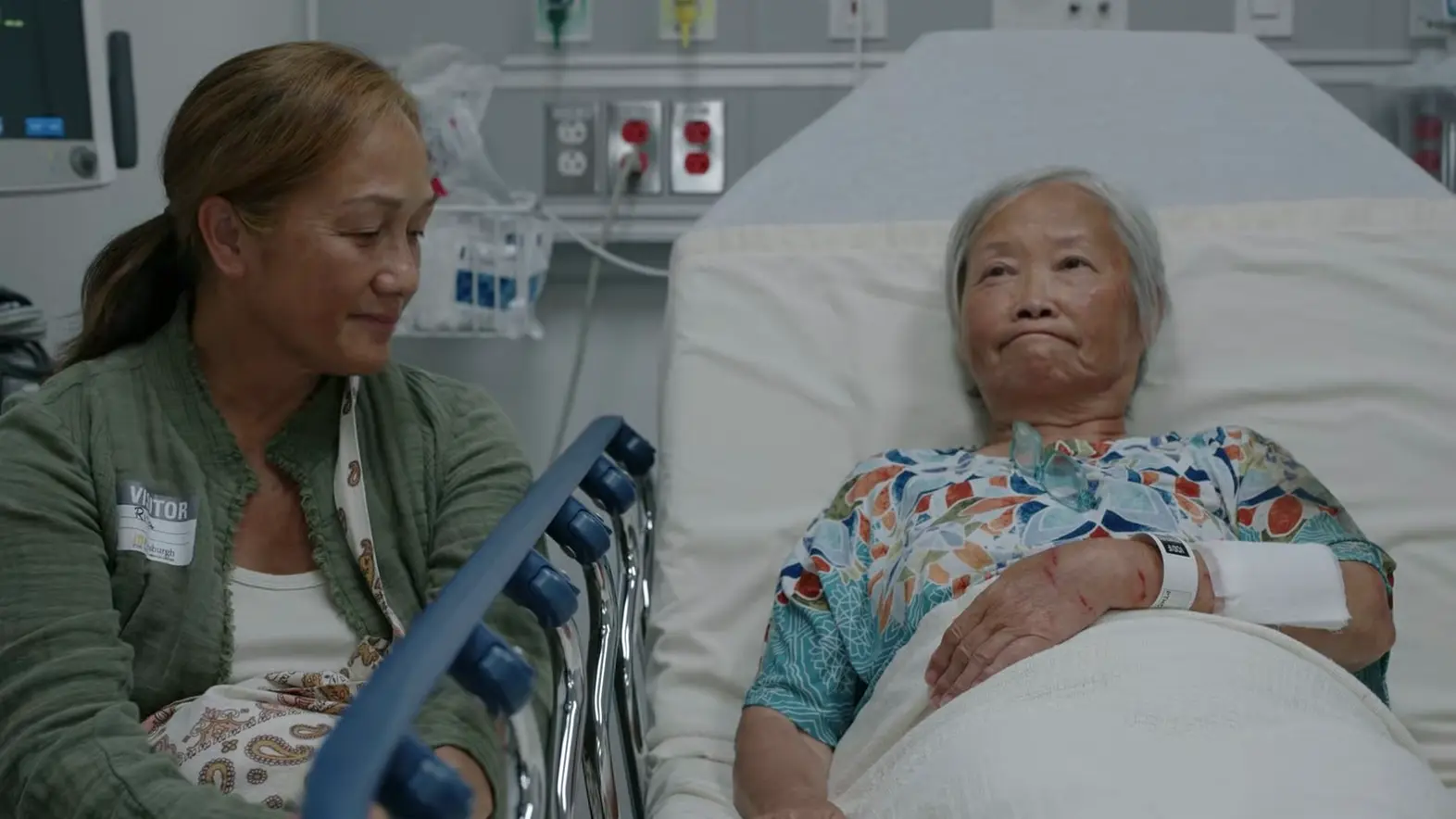
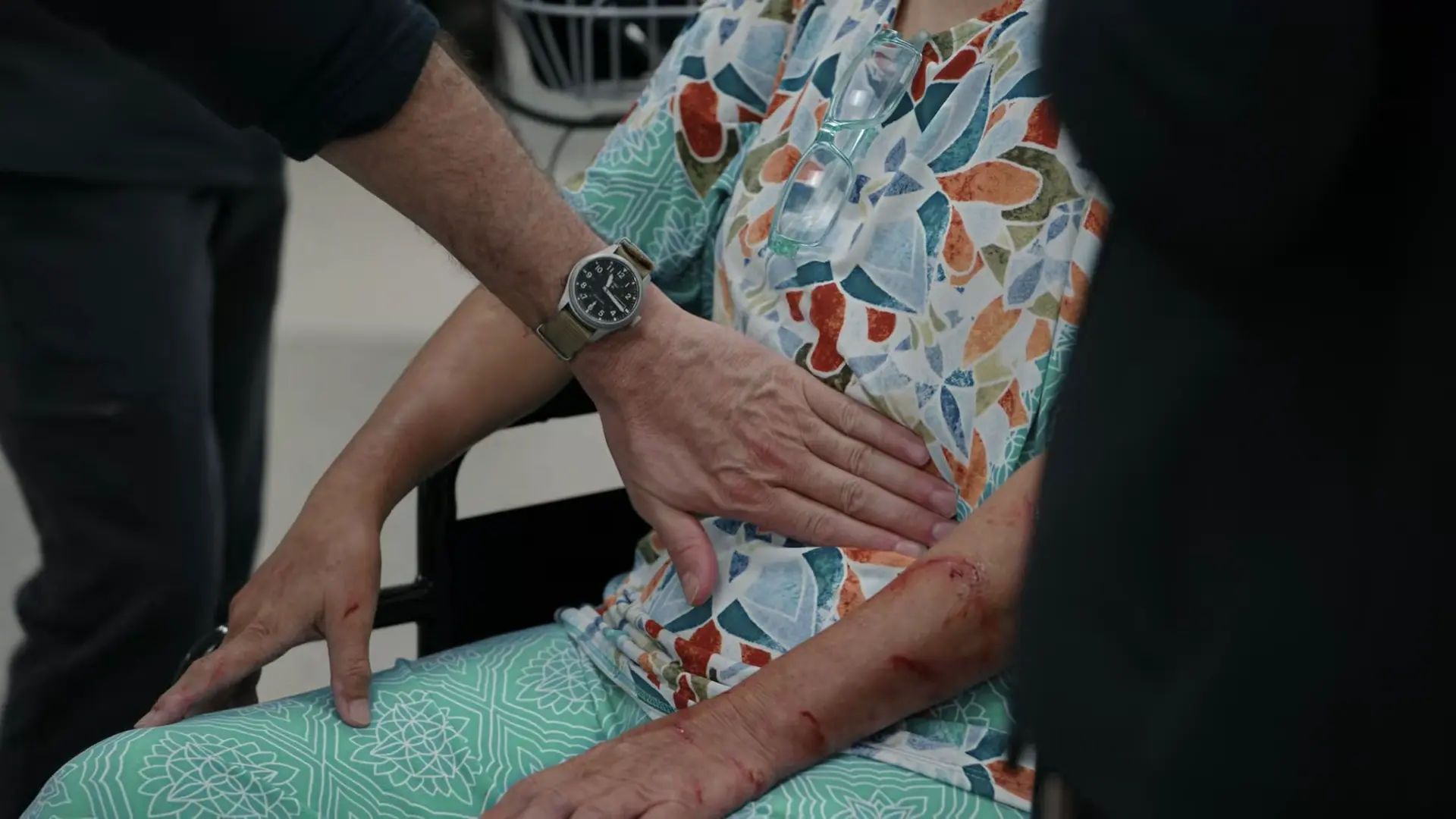
Ginger Kitajima is an elderly female with a history of schizophrenia (managed with Risperidone). She requires 24/7 assistance with activities of daily living (ADLs), provided solely by her daughter, Rita. Patient presents to the ED after a ground-level fall into a rose bush at home. She denies hitting her head or experiencing syncope. Complains of isolated left shoulder/arm pain.
Emergency Department Course
Initial Evaluation
Patient arrived with her daughter after a fall at home.
+1
Initial Evaluation
Patient arrived with her daughter after a fall at home.
Medical Decision Making
Provider must rule out a medical cause for the fall (syncope, arrhythmia) and occult head trauma before focusing on the obvious musculoskeletal injury. Given her age and psychiatric medication (Risperidone, which can cause orthostatic hypotension or extrapyramidal symptoms), a basic medical workup is required alongside orthopedic imaging.
Diagnostics & Findings
- Physical examination
- Basic labs
- EKG
- Chest X-ray
- Left shoulder/arm X-rays
Findings:
- No head trauma
- No altered mental status
- Isolated left shoulder injury
Interventions
- Pain medication administration
⮑ Outcome & Reassessment
Patient is stable and awaits diagnostic results. Daughter exhibits signs of caregiver burnout.
Clinical Media
Diagnostic Review & Discharge Planning
Imaging and lab results returned; provider returns to discuss the treatment plan.
+2
Diagnostic Review & Discharge Planning
Imaging and lab results returned; provider returns to discuss the treatment plan.
Medical Decision Making
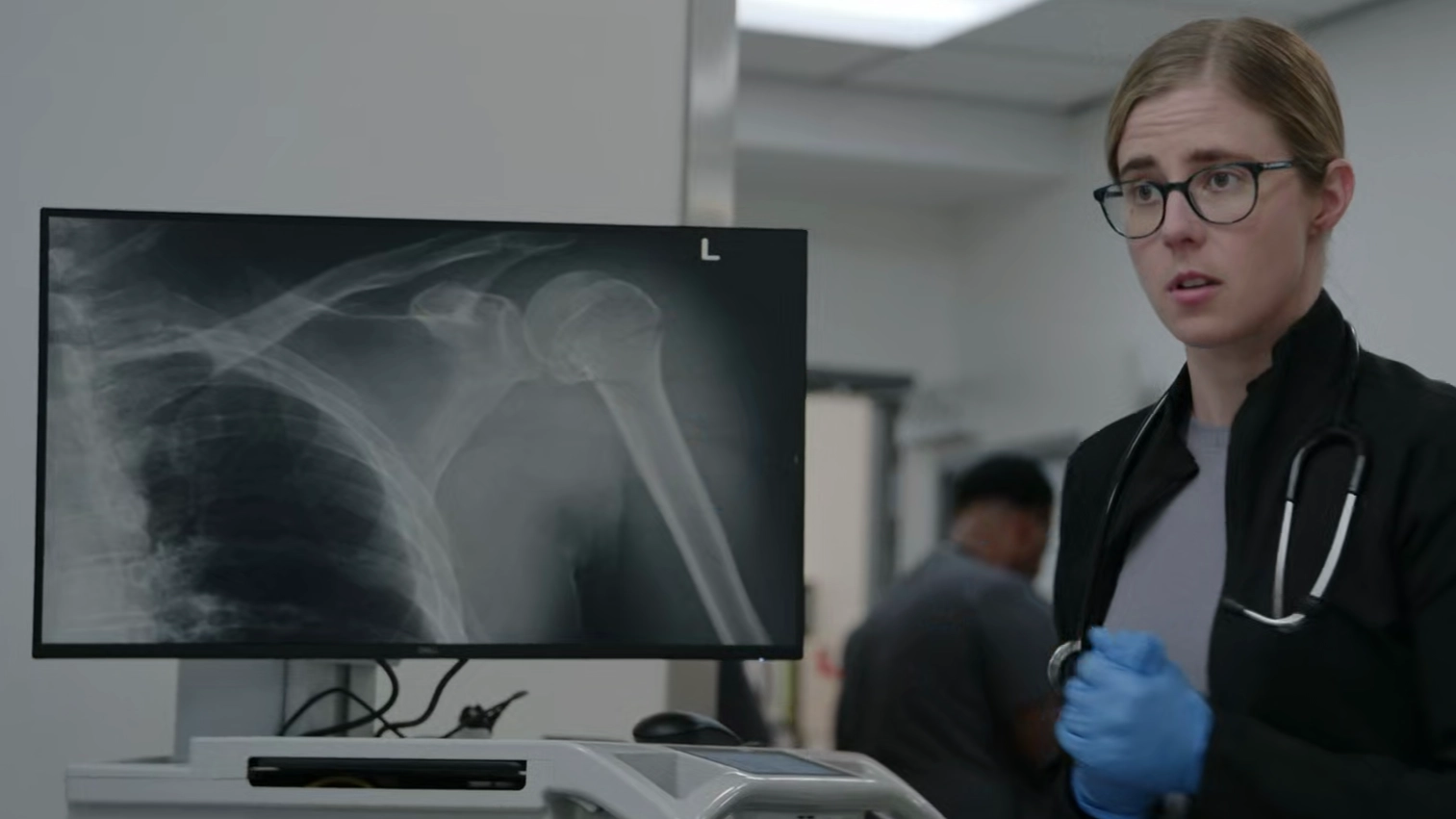
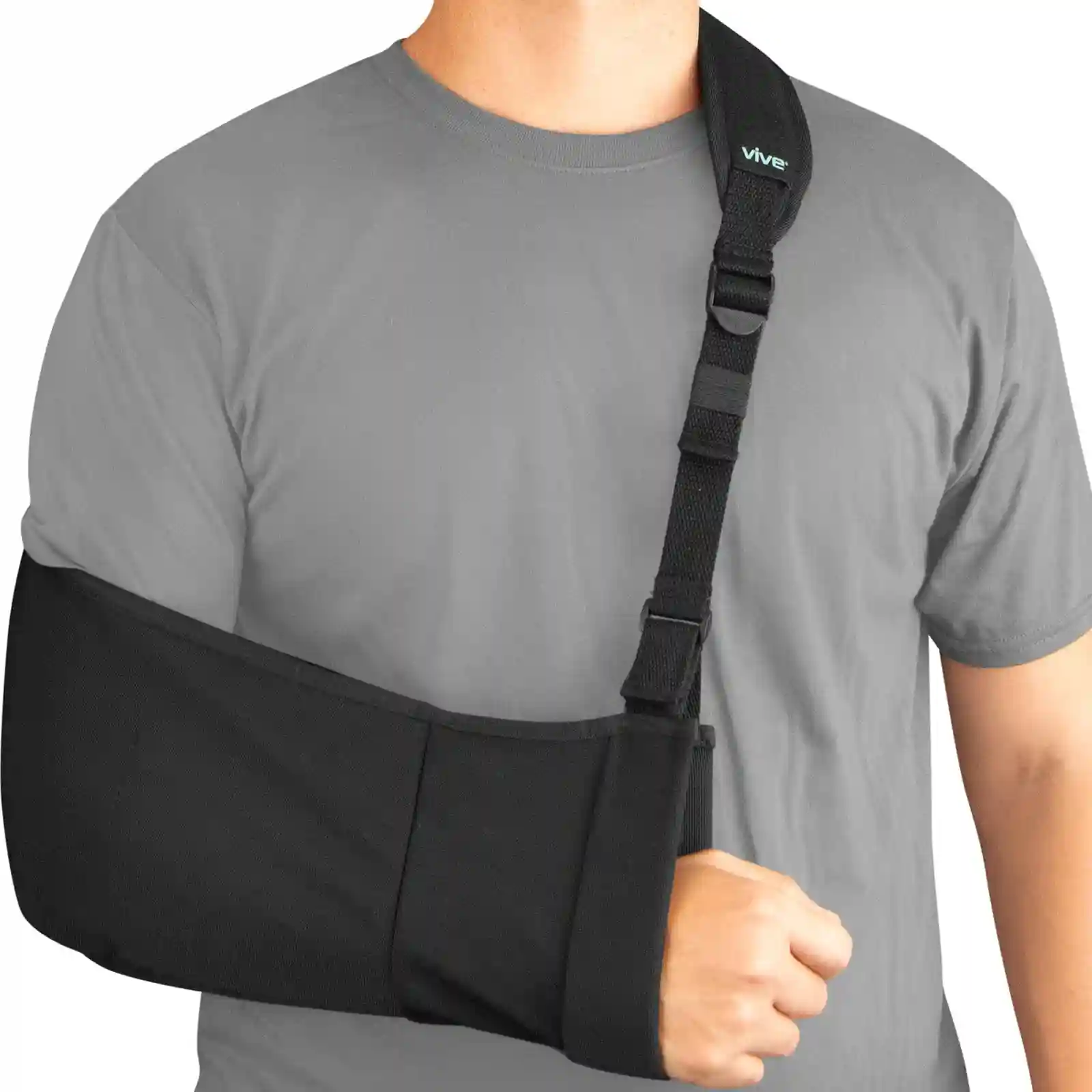
With normal EKG and CXR, the fall is presumed mechanical. The X-ray confirms a non-displaced proximal humerus fracture. Since it is non-displaced, surgical intervention is not required. Conservative management with immobilization (sling) and subsequent orthopedic follow-up is appropriate. However, this will increase her dependency on her caregiver for ADLs, which is a major psychosocial consideration.
Diagnostics & Findings
- X-ray interpretation
Findings:
- Normal EKG
- Normal Chest X-ray
- Left proximal humerus fracture (non-displaced)
Interventions
- Prescribed a sling for 6 weeks
- Orthopedic referral
- Strict instructions for no shoulder mobility for the first few weeks
⮑ Outcome & Reassessment
Ginger is relieved she does not need surgery. However, the daughter (Rita) is visibly overwhelmed by the news that her caregiving duties will temporarily double. Dr. King subsequently speaks to Rita outside, acknowledging caregiver fatigue, but Rita remains highly distressed.
Clinical Media
Social Complication & Reassessment
Daughter has been gone an unusually long time after allegedly moving her car from the ambulance bay.
Social Complication & Reassessment
Daughter has been gone an unusually long time after allegedly moving her car from the ambulance bay.
Medical Decision Making
The prolonged absence of the sole caregiver raises an immediate red flag for patient abandonment. When the daughter's phone goes straight to voicemail, the clinical team realizes the patient cannot be safely discharged home.
Diagnostics & Findings
- Attempted to contact daughter via phone
Findings:
- Call goes straight to voicemail
- Daughter's vehicle is gone
Interventions
- Social work intervention required for placement (implied/pending)
⮑ Outcome & Reassessment
Patient is physically stable but now socially stranded in the ED, effectively transitioning her disposition from 'Discharge' to 'Boarding for Social Placement'.
Diagnoses & Disposition
Evolving Diagnoses
- [S01E05]Non-displaced left proximal humerus fracture
- [S01E05]Elder abandonment / Unsafe discharge due to caregiver burnout
Current Disposition
Boarding in ED pending Social Work evaluation and safe placement (abandoned by caregiver).
Casebook Analysis
Episode Context
Ginger's case serves to highlight the intense, often invisible toll of caregiver fatigue. Her daughter, Rita, is completely burnt out from managing Ginger's schizophrenia and ADLs round-the-clock. The minor fracture becomes the 'straw that breaks the camel's back,' prompting Rita to abandon her mother in the ED.
Attending's Review
Medical Accuracy
The medical management is highly accurate. For an elderly patient with a fall, ruling out medical causes (like cardiac arrhythmias via EKG) before assuming a mechanical trip is standard of care. Furthermore, managing a non-displaced proximal humerus fracture conservatively with a sling rather than surgery is standard orthopedic practice for elderly patients.
Clinical Pearls
Diagnostic anchoring on obvious trauma can be dangerous in geriatric patients. Always prioritize a comprehensive clinical and medical workup to rule out systemic, neurological, or cardiovascular etiologies for a fall before focusing solely on the orthopedic care.
Always consider a medical etiology (syncope, arrhythmia, stroke) for a fall in an elderly patient, even if they claim they just 'tripped.' An EKG and thorough medical history are crucial.
The decision between conservative and operative management of fractures heavily relies on displacement and angulation. Non-displaced fractures heal well with conservative treatment (e.g., sling or cast), whereas significantly displaced or unstable fractures often require surgical intervention such as osteosynthesis (internal fixation) to properly restore anatomy and function.
Caregiver burnout is a medical issue that impacts patient safety. When caregivers express extreme fatigue or despair, treating physicians should engage Social Work immediately to establish support networks and ensure safe discharge.
Similar Cases from The Show
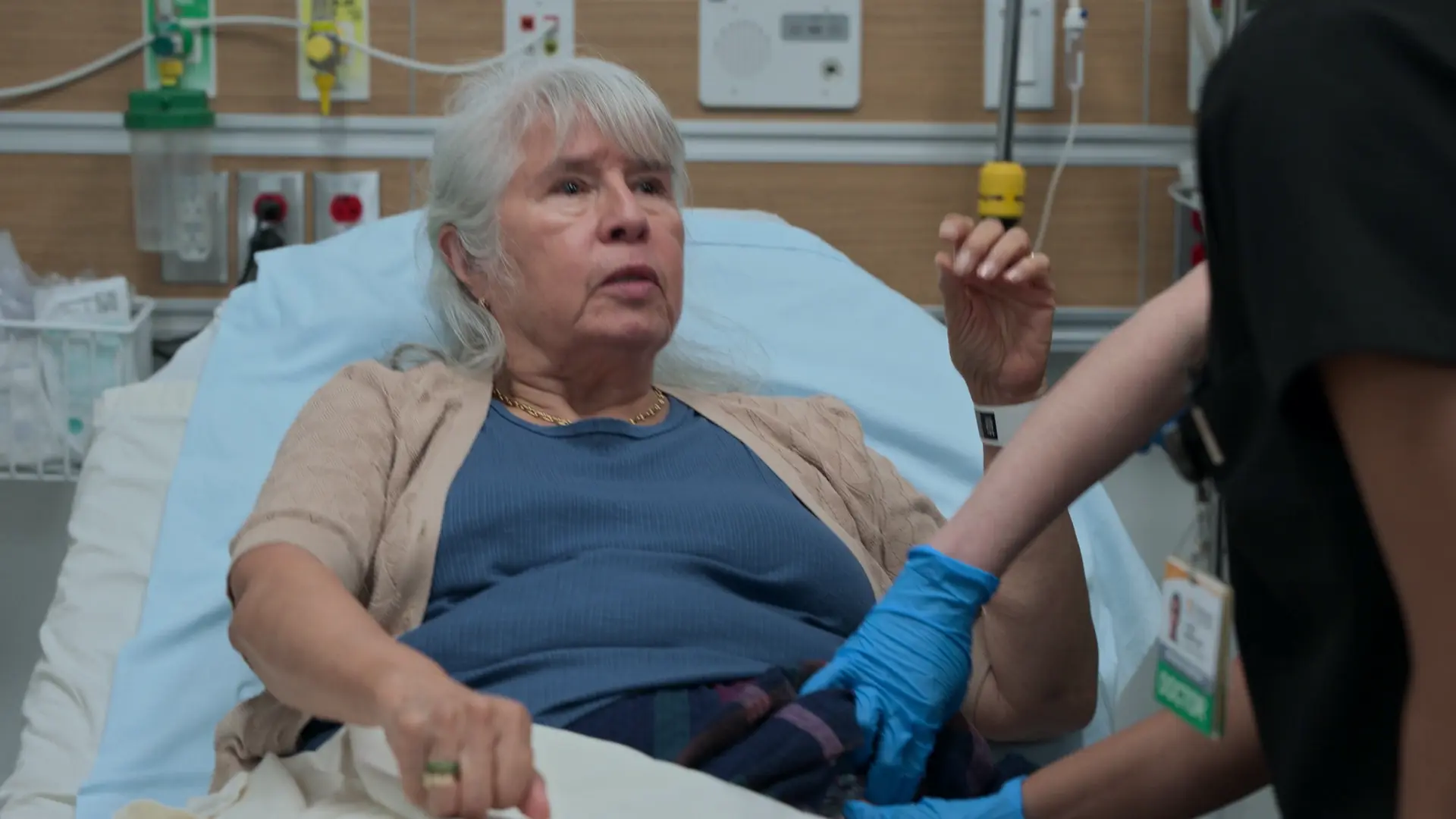
Frida Cohen
Elderly Auto vs Pedestrian
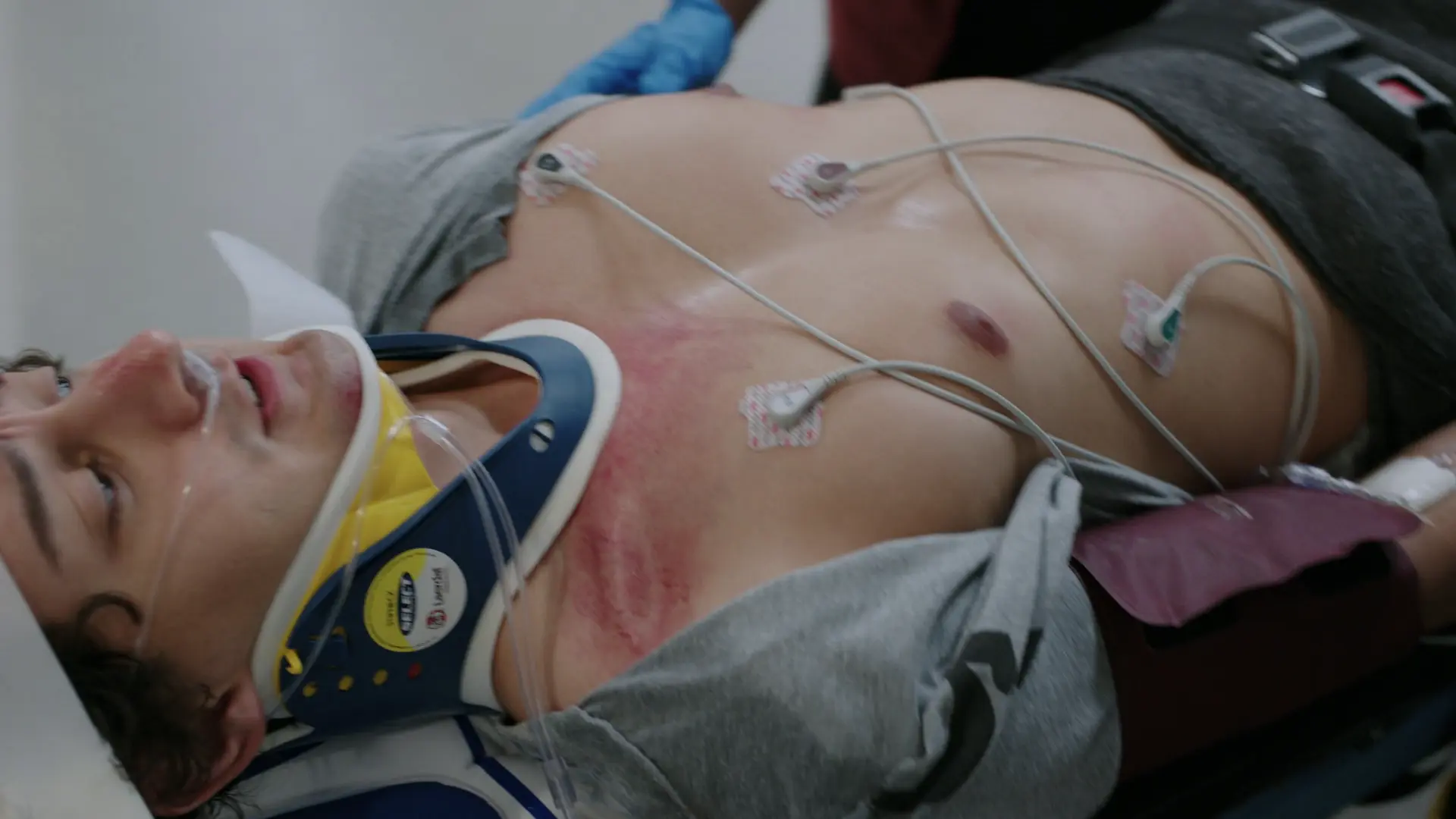
Miles Hernandez
Ambulance Thief Driver
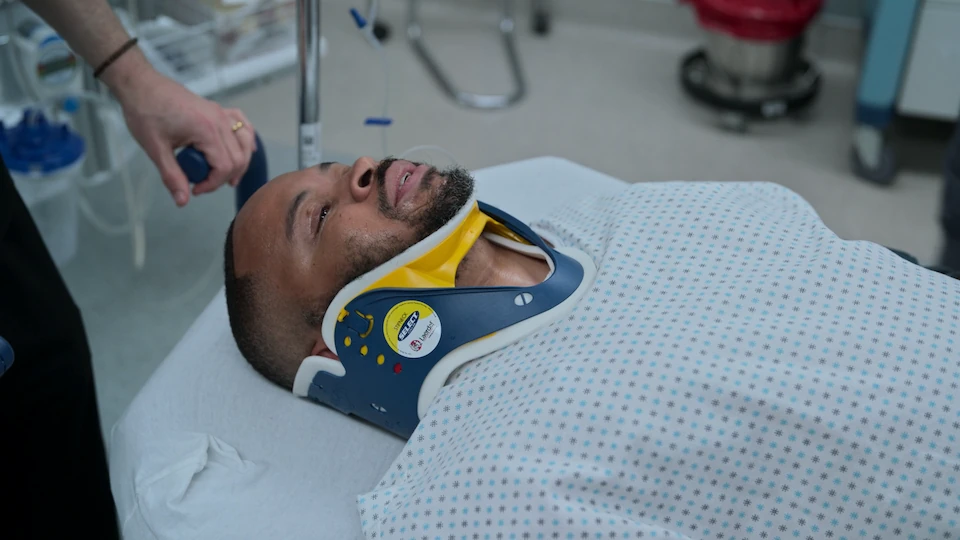
Lyman Paine
MVC Telephone Pole
Related Specialties
Chart Navigation
Ginger Kitajima
C/OGround-level fall with left arm pain and abrasions.