History of Present Illness
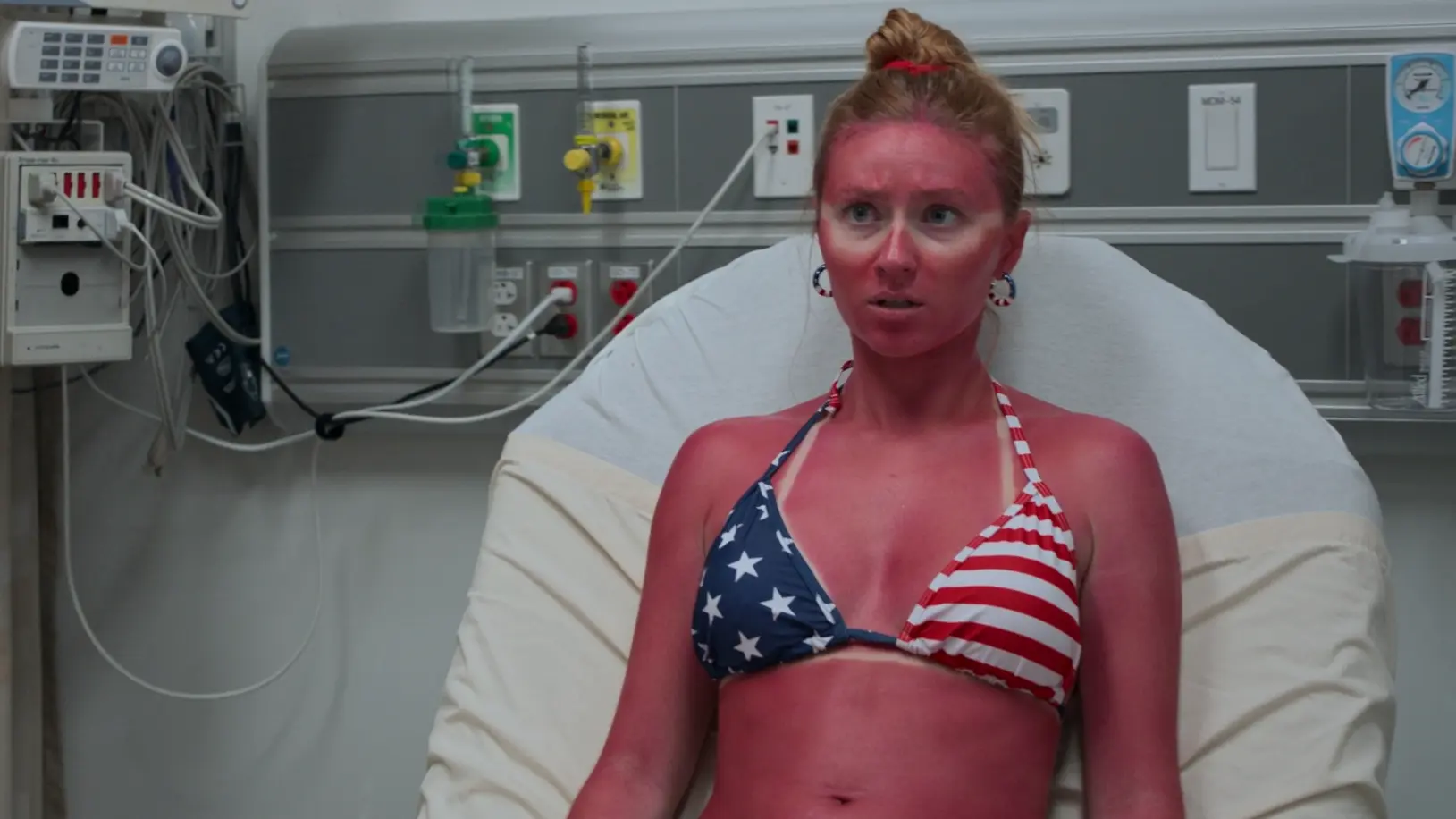
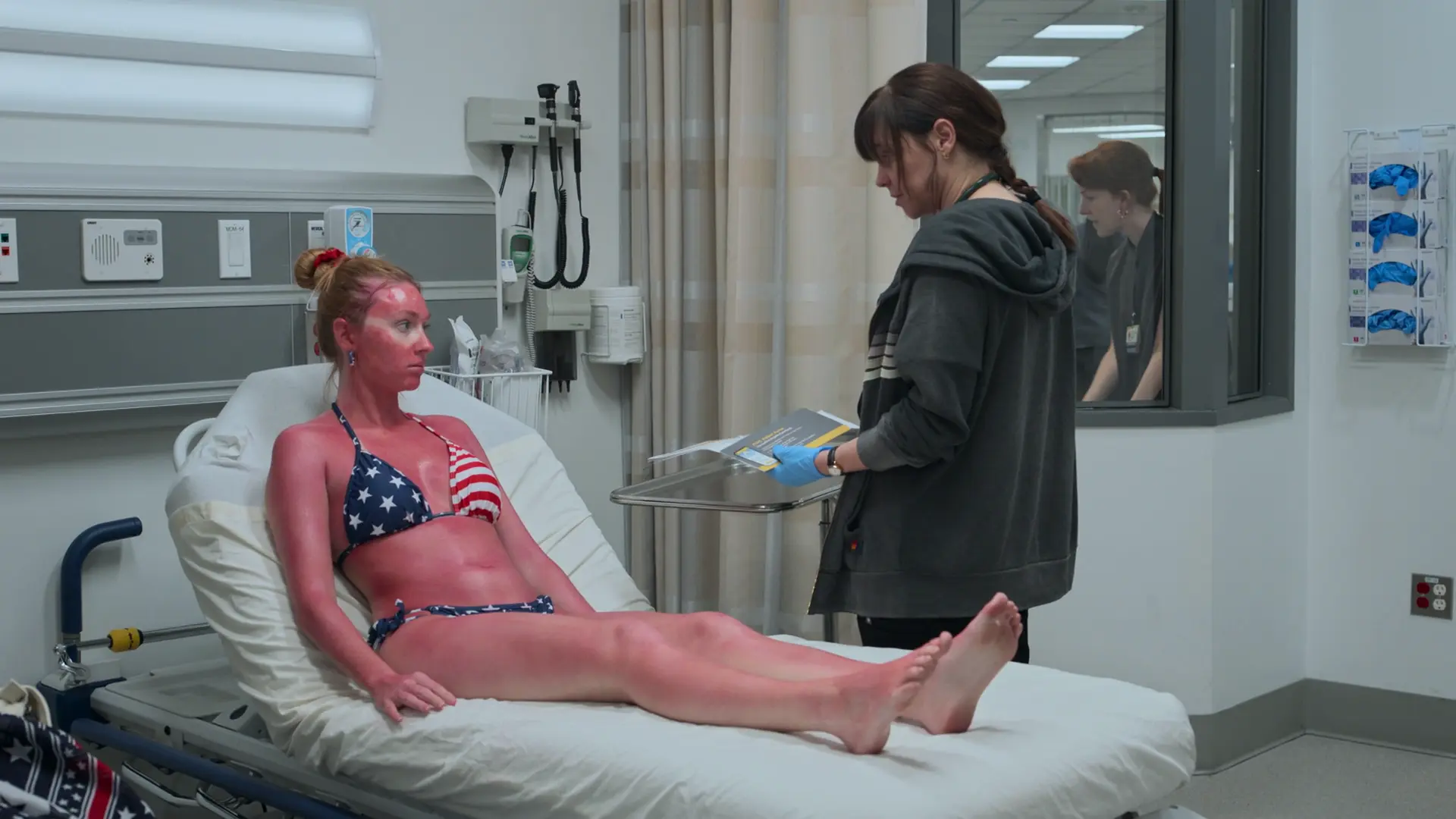
Patient presents to the emergency department during a 4th of July heatwave suffering from a severe full-body sunburn. She feels 'stupid' for the overexposure and complains of being 'really, really sore.'
Emergency Department Course
Initial Bedside Evaluation
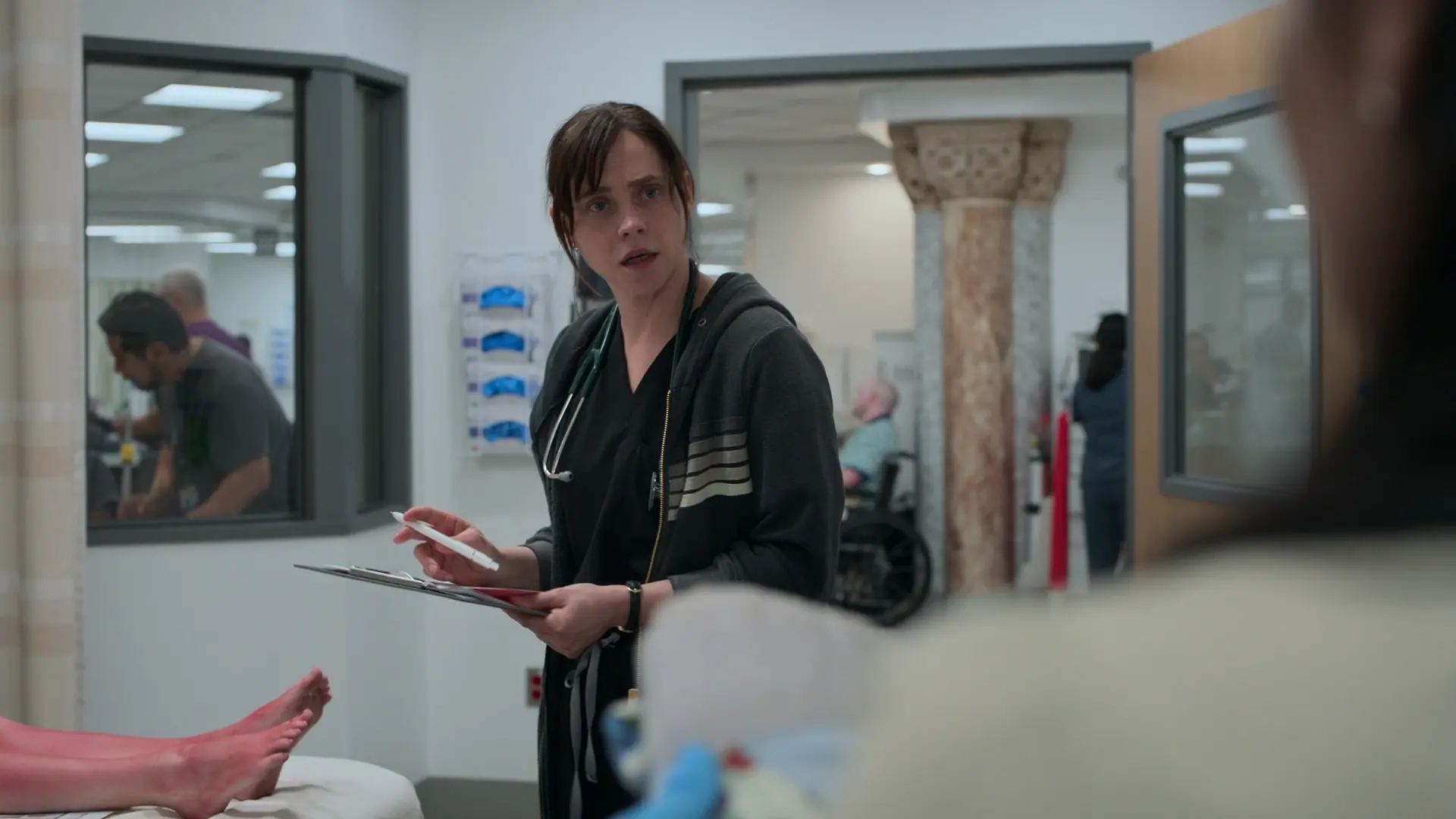
Initial ED provider assessment to determine necessary supportive care.
+1
Initial Bedside Evaluation
Initial ED provider assessment to determine necessary supportive care.
Medical Decision Making
Patient presents with generalized pain secondary to severe UV radiation exposure. Requires supportive care focusing on analgesia, hydration, and topical relief. The injury is superficial but extensive enough to warrant an ED visit due to intense pain.
Diagnostics & Findings
- Visual skin assessment
Findings:
- Patient is alert, oriented, and self-aware (acknowledging feeling 'stupid' for the injury)
- Reports feeling 'really, really sore'
Interventions
- Verbalized plan to order pain medication (analgesia)
⮑ Outcome & Reassessment
Encounter is abruptly interrupted before medication is administered. Nurse Esme enters holding a blanket from a recently deceased cancer patient. This triggers an emotional response in Dr. McKay, who abruptly leaves Ms. Stevens' room.
Clinical Media
Discharge & Patient Education
Patient symptoms are adequately controlled; ready for safe discharge.
+1
Discharge & Patient Education
Patient symptoms are adequately controlled; ready for safe discharge.
Medical Decision Making
Patient's sunburn is uncomplicated, with no signs of secondary infection or systemic toxicity ('sun poisoning'). Safe for discharge with strict outpatient supportive care and symptomatic relief instructions.
Diagnostics & Findings
- Clinical reassessment prior to discharge
Findings:
- Patient is stable, pain is managed, and patient is conversational.
Interventions
- Discharge instructions provided: Cool baths 2x a day for two days.
- Instructed to apply aloe vera to the skin.
- Advised on the necessity of wearing sunscreen in the future.
⮑ Outcome & Reassessment
Patient states she is 'never going outside ever again.' The physician normalizes the situation, counseling moderation. Patient is discharged home.
Clinical Media
Diagnoses & Disposition
Evolving Diagnoses
- [S02E12]Severe Sunburn (Superficial thermal injury)
Current Disposition
Discharged to home with supportive care instructions (cool baths, aloe vera, sunscreen).
Casebook Analysis
Episode Context
Ms. Stevens serves as a narrative juxtaposition. She is a low-acuity, slightly comedic 'routine' ED patient (a severe 4th of July sunburn) that directly follows a devastating oncology death. Her presence is a catalyst for Dr. McKay's emotional arc. The mundane nature of Ms. Stevens' complaint contrasts sharply with the deceased mother's blanket handed to McKay mid-exam. In S02E14, her storyline wraps up with a lighthearted discharge, providing a brief beat of normalcy amidst the hospital's digitization crunch and chaotic holiday shift.
Attending's Review
Medical Accuracy
The brief interaction is realistic for an overcrowded holiday ED. A severe sunburn is often treated with oral NSAIDs, IV hydration if systemic symptoms exist, and topical cooling. The doctor promising pain meds and briefly stepping out is standard. The subsequent discharge instructions in S02E14 (cool baths, aloe vera, sunscreen) are perfectly textbook for uncomplicated superficial thermal injuries.
Complications & Errors
- Continuity of care delay: Dr. McKay becomes emotionally compromised and leaves the room before putting in the actual order for Ms. Stevens' pain medication.
Clinical Pearls
Severe sunburns (UV thermal injuries) rarely require admission unless complicated by severe dehydration, systemic toxicity ('sun poisoning'), or secondary infection of large blisters.
Supportive care for sunburn includes NSAIDs (to target prostaglandin-mediated inflammation), cool compresses, and robust oral fluid resuscitation.
Emergency medicine frequently demands extreme emotional whiplash. Providers must often transition immediately from a devastating resuscitation directly into the room of a patient with a minor, non-life-threatening complaint.
Post-burn care should emphasize symptomatic relief (like cool, not ice-cold, baths and aloe vera) while avoiding thick, petroleum-based ointments that can trap heat in the skin.
Discharge education should always include a preventative component, such as counseling on broad-spectrum sunscreen and UV moderation.