History of Present Illness
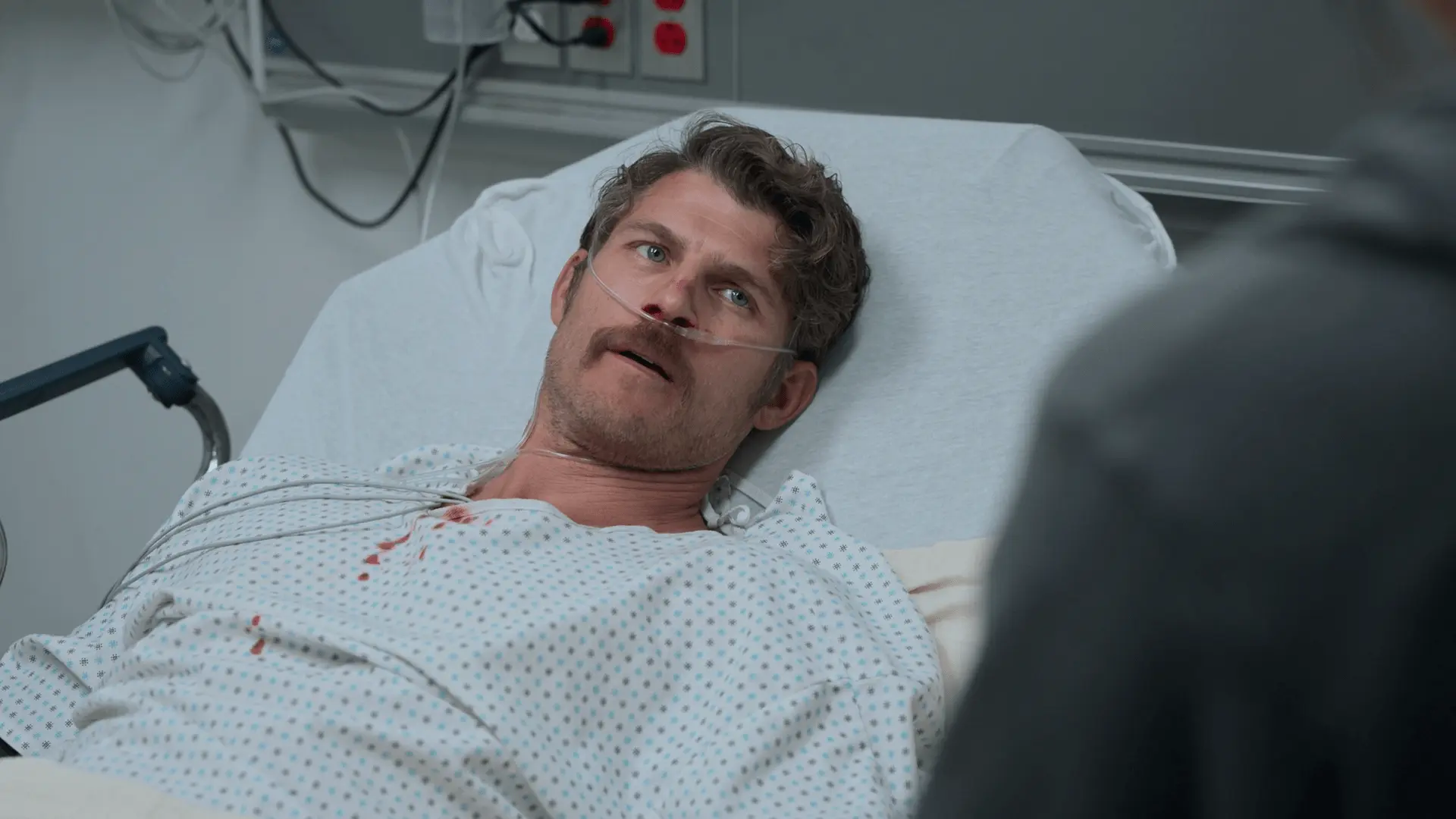
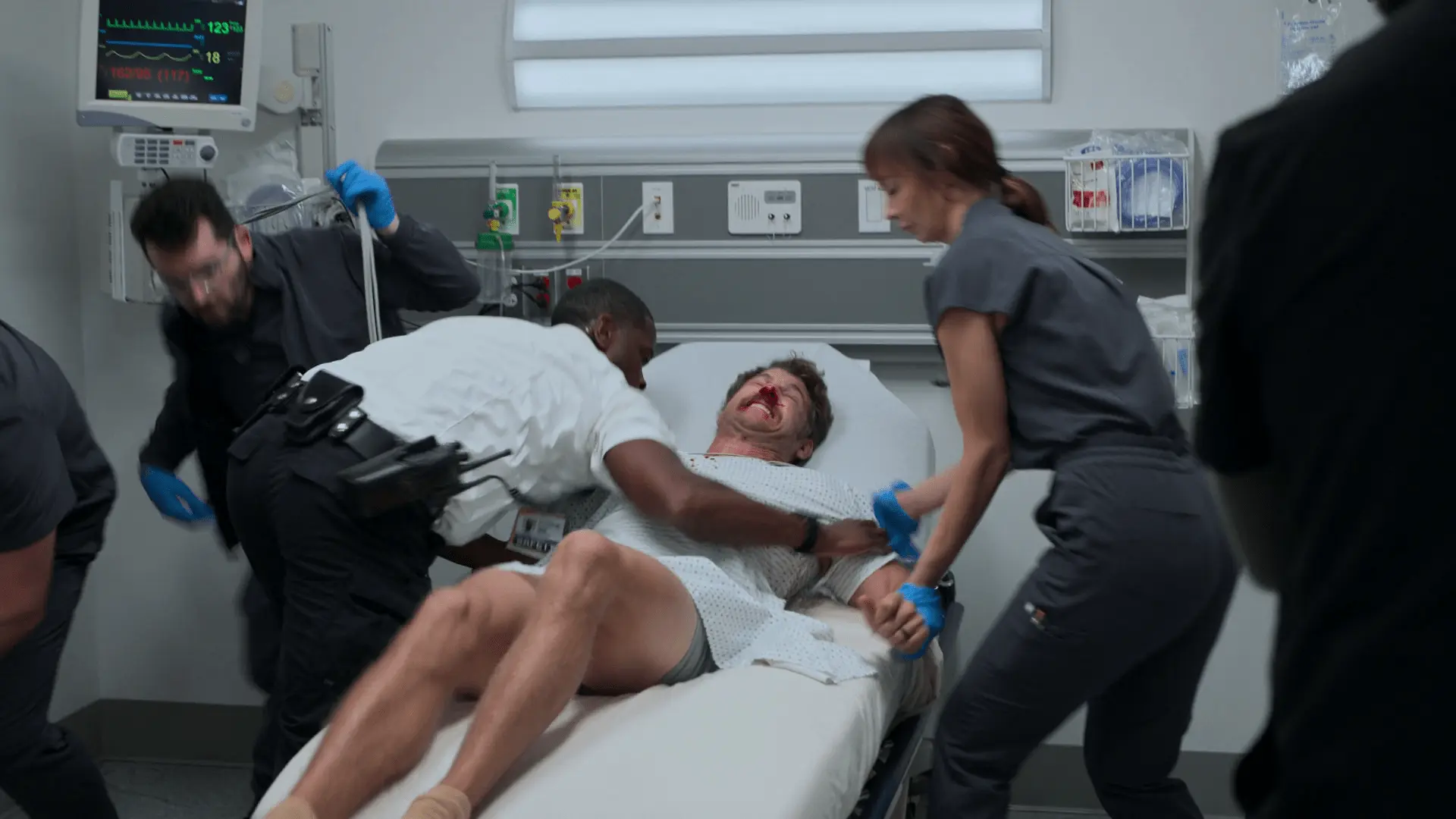
Curtis Larson, an adult male patient, was brought to the ED following reported alcohol consumption on a golf course. Upon arrival, he became profoundly combative, triggering a 'Code Hula Hoop' (hospital worker assault) after putting a nurse (Emma) in a headlock. During the scuffle, he slipped and sustained blunt head trauma resulting in a bloody nose. He was chemically restrained by another nurse (Dana) using 4mg of Midazolam (Versed) that was on hand.
Emergency Department Course
Acute Agitation & Chemical Restraint
Code Hula Hoop - Patient physically attacked nurse Emma.
+1
Acute Agitation & Chemical Restraint
Code Hula Hoop - Patient physically attacked nurse Emma.
Medical Decision Making
Patient poses an immediate physical threat to staff and himself. Rapid chemical sedation is required to secure the environment. Following sedation, the combination of alcohol, benzodiazepines, and recent head trauma makes his neurological status highly vulnerable, necessitating an emergent Head CT to rule out intracranial hemorrhage (ICH).
Diagnostics & Findings
- Physical assessment of head trauma (bloody nose noted)
Findings:
- Epistaxis
- Profound agitation resolved by sedation
Interventions
- 4mg Versed (Midazolam) IM administered by Dana
⮑ Outcome & Reassessment
Patient sedated successfully but is now altered from a mix of alcohol, Versed, and head trauma. Ordered for Head CT.
Clinical Media
Diagnostic Review & Patient Awakening
Patient wakes up post-sedation and claims amnesia of the assault.
+1
Diagnostic Review & Patient Awakening
Patient wakes up post-sedation and claims amnesia of the assault.
Medical Decision Making
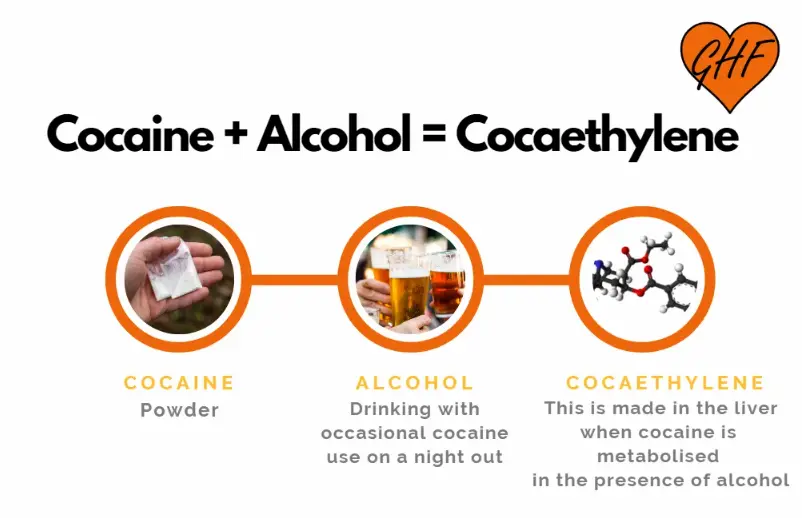
Need to evaluate CT results for structural brain injury from the fall. Need to evaluate toxicology to explain the uncharacteristic extreme violence and subsequent amnesia. The presence of both cocaine and alcohol explains the severity of the agitation via cocaethylene formation.
Diagnostics & Findings
- CT Head Without Contrast
- Urine/Blood Toxicology Screen
Findings:
- CT Head: Negative for skull fracture or intracranial hemorrhage.
- Toxicology: Positive for Alcohol and Cocaine.
Interventions
- Clinical education provided to patient regarding cocaethylene.
⮑ Outcome & Reassessment
Patient is shocked by his actions but remains hemodynamically stable and neurologically intact. Maintained under observation for concussion protocol.
Clinical Media
Medical Clearance & Disposition
Observation period completed; ready for disposition.
Medical Clearance & Disposition
Observation period completed; ready for disposition.
Medical Decision Making
Patient is no longer acutely intoxicated, has no acute traumatic injuries requiring admission, and has completed a period of observation for his minor head injury. He is medically cleared to be discharged into the custody of law enforcement for his assault on staff.
Diagnostics & Findings
- Final neurological check
Findings:
- Neurologically intact, GCS 15.
Interventions
- Discharge paperwork prepared.
⮑ Outcome & Reassessment
Patient becomes verbally abusive upon realizing he is being arrested, threatening to sue the hospital, but remains physically compliant.
Diagnoses & Disposition
Evolving Diagnoses
- [00:02:44]Acute Agitation / Altered Mental Status
- [00:02:44]Head Trauma / Minor Concussion
- [00:30:12]Cocaethylene Toxicity (Polysubstance Intoxication)
Current Disposition
Medically cleared and discharged directly to police custody for the assault of a healthcare worker.
Casebook Analysis
Episode Context
The case highlights the pervasive issue of workplace violence in the Emergency Department. It sets off a chain reaction of administrative and ethical conflicts, specifically regarding a nurse (Dana) utilizing 'pocketed' narcotics (Versed) to protect a newer colleague (Emma), forcing the ED leadership to balance staff safety against strict DEA/hospital narcotic protocols.
Attending's Review
Medical Accuracy
The show's medical explanation of Cocaethylene is highly accurate. When cocaine and ethanol are co-ingested, the liver produces cocaethylene, a metabolite that is more toxic to the cardiovascular system than cocaine alone, has a longer half-life, and is strongly associated with profound agitation, impulsivity, and sudden cardiac death. The medical decision to secure a head CT after a sedated patient suffers a fall is the correct standard of care.
Complications & Errors
- A nurse carrying around an un-wasted, drawn syringe of Versed 'just in case' is a massive protocol violation and narcotic diversion risk. While depicted as a heroic save, in reality, this would lead to severe disciplinary action or termination.
Clinical Pearls
Cocaethylene Toxicity: Co-ingestion of cocaine and alcohol creates a unique, highly toxic metabolite. Suspect this in patients exhibiting prolonged or exceptionally violent substance-induced psychosis.
Masked Neurological Exams: Any patient who suffers head trauma and is subsequently chemically or physically restrained loses their ability to demonstrate an evolving neurological deficit. They must be placed at the top of the queue for non-contrast Head CT.
Workplace Violence Restraint: When utilizing chemical restraint for violent patients, IM Midazolam (Versed), Ketamine, or Haloperidol/Droperidol are standard. Always ensure the patient's airway is protected immediately after administration, especially if alcohol is on board.